Forage Baler for Corn Stalks: Key Specifications and Equipment Selection for Tough Residue
Corn stalk harvesting represents one of the most challenging forage baling applications, demanding specialized equipment designed specifically for processing rigid, fibrous crop residue fundamentally different from traditional hay and silage materials. Conventional round and square balers frequently struggle with corn stalk density, moisture characteristics, and mechanical properties when operated without appropriate equipment modifications and specialized features. This comprehensive guide examines the specific requirements for successful corn stalk baling, identifies specialized equipment characteristics essential for reliable performance, and provides detailed selection guidance enabling farmers to invest in appropriate machinery for this demanding agricultural application.
Understanding Corn Stalk Material Characteristics
Corn stalks present fundamentally different processing challenges compared to hay and silage materials. The residue remaining after grain harvest contains thick woody stalk segments, tough fibrous leaves, and cob material that resist compression and mechanical processing. Stalks measure 0.5 to 1.0 inch in diameter with external fibrous coating and internal pith structure. This rigid geometry differs dramatically from hay—which consists of compressed dried forbs and grasses—and silage materials which contain higher moisture enabling softer compression characteristics.
Moisture content in freshly harvested corn stalks typically ranges between 30 and 50 percent, substantially higher than dried hay but lower than typical silage moisture. This intermediate moisture creates processing complications—insufficient for anaerobic silage fermentation, yet too high for stable long-term hay storage without decomposition risk. The moisture characteristics of corn stalks require specialized equipment enabling effective water removal while maintaining feedstock integrity.
Stalk density naturally increases when stalks are processed through shredding equipment that fragments rigid segments into shorter particles. Unprocessed stalks produce loose, low-density bales requiring substantial storage space. Ground or shredded stalks compress more effectively, producing higher-density bales with superior storage efficiency and transport economy. The difference between unprocessed and shredded corn stalk bales—in terms of density and storage volume—represents one of the most significant operational considerations in corn stalk harvesting.
Corn stalk feedstock composition includes variable proportions of stalk material, leaves, cob particles, and residual grain. Higher-quality stalks contain greater leaf content and minimal soil contamination. Lower-quality stalks include excessive cob material, loose grain fragments, and soil particles. Feedstock quality dramatically influences equipment performance and bale characteristics. Equipment selection should account for the anticipated feedstock quality in your specific fields and harvest conditions.
Why Shredding Equipment Proves Essential for Corn Stalks
Critical Requirement: Corn stalk baling without shredding equipment frequently produces unsatisfactory results including low density bales, inadequate compression, handling difficulties, and poor feedstock processing. Shredding systems should be considered essential for successful corn stalk operations, not optional equipment.
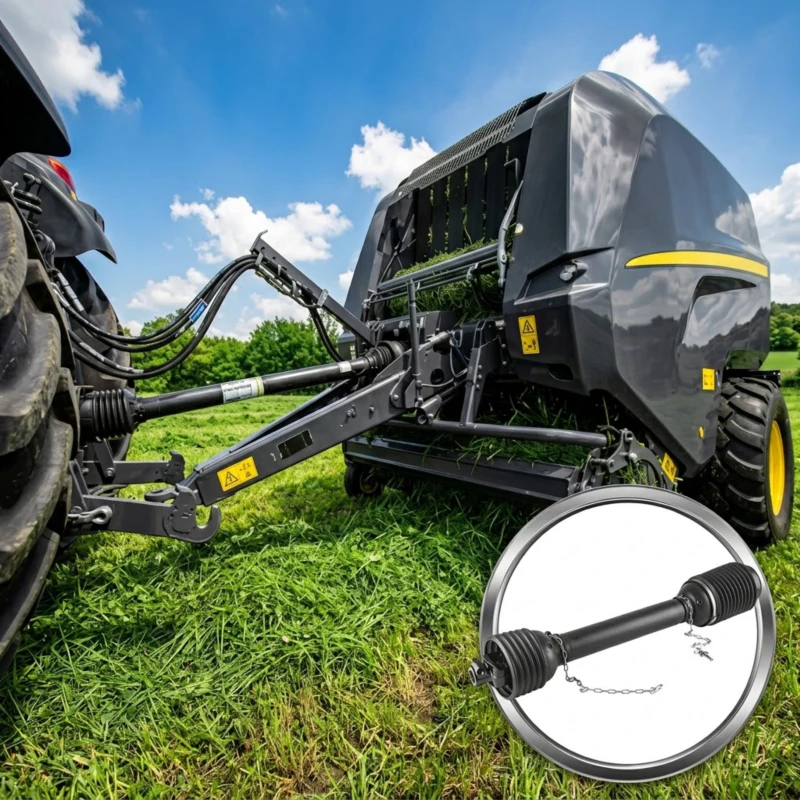
Shredding equipment mounted on square balers fragments rigid corn stalks into shorter segments enabling effective compression and improved density. Standard shredders employ either hammer mill mechanisms or rotating knife blade configurations that break stalks into particles typically measuring 1 to 3 inches in length. These fragmented particles compress significantly more effectively than intact stalks, resulting in bale density improvements of 25 to 40 percent compared to unshredded material.
The operational principle of hammer mill shredders involves rapidly rotating hammers that strike incoming stalks against stationary anvil surfaces. This impact-based fragmentation effectively breaks rigid material into manageable segments. Knife blade shredders employ rotating sharp edges cutting stalks into precise length segments. Both mechanisms prove effective for corn stalk processing, with selection reflecting operator preferences and feedstock characteristics.
Shredding equipment requirements include increased horsepower—typically 15 to 25 horsepower additional compared to balers without shredding. This horsepower demand must be factored into total equipment power requirements when selecting tractors for corn stalk operations. Additionally, shredders require regular maintenance including hammer replacement (approximately annually), anvil surface inspection, and bearing lubrication.
The density improvements from shredding enable operational advantages justifying equipment investment. Higher-density bales reduce storage space requirements by 30 to 40 percent, enabling more efficient facility utilization. Improved bale density supports superior feed quality for livestock—more uniform material composition and reduced selective feeding. Commercial stalk marketing benefits from higher density enabling reduced transport costs and improved buyer attractiveness.
Square Balers vs Round Balers for Corn Stalks
Square balers represent the preferred technology for corn stalk harvesting, offering substantial advantages over round balers for this specialized application. The aggressive plunger mechanism in square balers delivers superior compression force compared to the gentler roller-based system of round balers. This higher compression enables better stalk fragment consolidation and more consistent density. Commercial corn stalk producers almost universally employ square baler systems.
Square balers equipped with shredders provide the optimal corn stalk solution. The shredding equipment fragments rigid stalks, then the plunger mechanism compresses shredded material into high-density rectangular bales. This combination delivers superior density, improved feedstock processing, and uniform bale characteristics. Equipment investment in square balers with integrated shredding systems proves economically justified for operations processing substantial corn stalk volumes annually.
Round balers can process corn stalks but typically produce lower density bales and require more operator attention to maintain consistent quality. The gentler compression system may leave stalk segments partially intact rather than fully fragmented. While round balers equipped with advanced hydraulic systems can process stalks adequately, square systems with shredding equipment deliver superior results. Operations committed to regular corn stalk harvesting should prioritize square baler selection.
Bale size selection for corn stalks should consider feedstock volume and storage infrastructure. Large square bales (460×360×900mm) offer economies of scale and transport efficiency but demand substantial storage space and mechanical handling equipment. Smaller square bales (460×360×600mm or equivalent) reduce individual bale weight, improve handling flexibility, and accommodate manual or modest mechanical handling infrastructure. Evaluate your storage capacity and handling capabilities when selecting bale dimensions.
Horsepower and Equipment Compatibility
Corn stalk baling demands substantially more horsepower compared to hay baling. Unshredded stalk balers typically require 60 to 90 horsepower. When equipped with shredding mechanisms, power requirements increase to 75 to 110 horsepower. The additional force required for stalk shredding and compression substantially exceeds hay baling demands. Farmers must ensure tractor horsepower adequately meets corn stalk equipment requirements with appropriate safety margins.
Conservative horsepower selection proves particularly important for corn stalk operations. If your tractor provides 100 horsepower, select corn stalk equipment requiring approximately 70 to 80 horsepower maximum, providing substantial reserve for field condition variations and equipment aging effects. Operating at maximum tractor capacity with corn stalks results in engine strain, reduced fuel efficiency, and potential equipment damage during challenging field conditions or stalk density variations.
Hydraulic system capacity assumes critical importance in corn stalk applications. Shredding mechanisms often incorporate hydraulic motor drives requiring significant flow rates. Additionally, density control systems and pickup mechanisms demand hydraulic power. Verify that your tractor’s hydraulic pump provides 20 to 35 gallons per minute capacity—adequate for sophisticated stalk baling equipment. Undersized hydraulic systems result in sluggish equipment response and inconsistent processing.
Ground speed during corn stalk operations typically ranges from 3 to 5 kilometers per hour—slower than hay baling due to increased material density and harder compression requirements. Operating at maximum theoretical ground speed frequently exceeds equipment and tractor capacity. Conservative speed operation improves bale consistency, ensures reliable equipment performance, and reduces operator fatigue throughout long harvesting days.
Moisture Management and Storage Considerations
Corn stalk moisture content requires careful management. Stalks harvested immediately after grain combine typically contain 40 to 50 percent moisture—too high for stable long-term storage. Extended field conditioning—allowing harvested stalks to dry in the field for 3 to 7 days after initial cutting—reduces moisture to 25 to 35 percent, creating more stable feedstock for baling and storage. Patience during conditioning significantly improves final product quality.
Storage infrastructure for corn stalks must accommodate moisture characteristics between dried hay and fresh silage. Bales should be stored under cover protecting from rain and snow infiltration which can rapid deteriorate quality. Well-ventilated storage structures enable air circulation supporting moisture reduction and preventing mold growth. Some operations construct temporary covers or tarps specifically for corn stalk bale protection, supporting long-term storage without permanent facility investment.
Compacted soil and dust contamination present common challenges in corn stalk harvest. Post-grain-harvest combines and crop residue sometimes include substantial soil material from harvest operations. Minimizing soil contamination through careful harvesting and field preparation protects equipment, improves feed quality, and reduces regulatory concerns regarding feedstock purity. Pre-sorting operations removing large soil aggregates before baling improve final product quality.
Equipment Maintenance and Wear Considerations
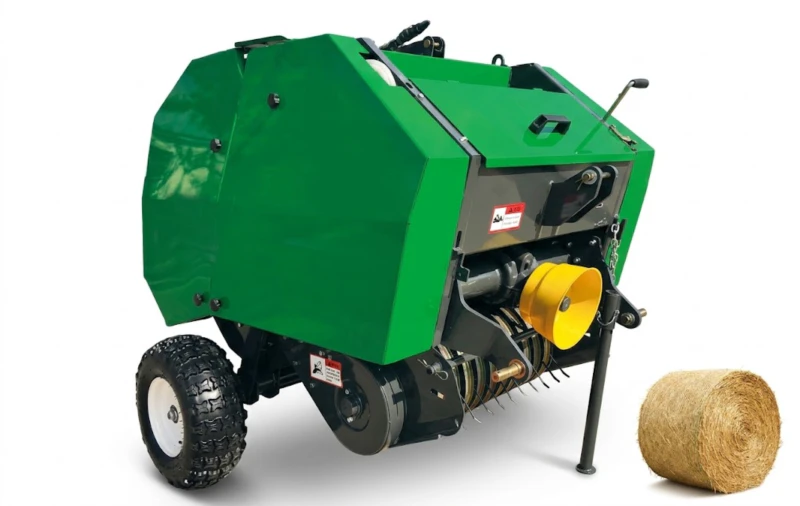
Corn stalk baling accelerates equipment wear compared to hay operations due to the aggressive nature of stalk processing. Compression chamber components experience increased stress from rigid stalk fragments. Knotter mechanisms and bale ejection systems encounter more challenging material requiring more force. Equipment maintenance demands increase substantially—expect to budget 30 to 40 percent additional maintenance compared to hay-only operations.
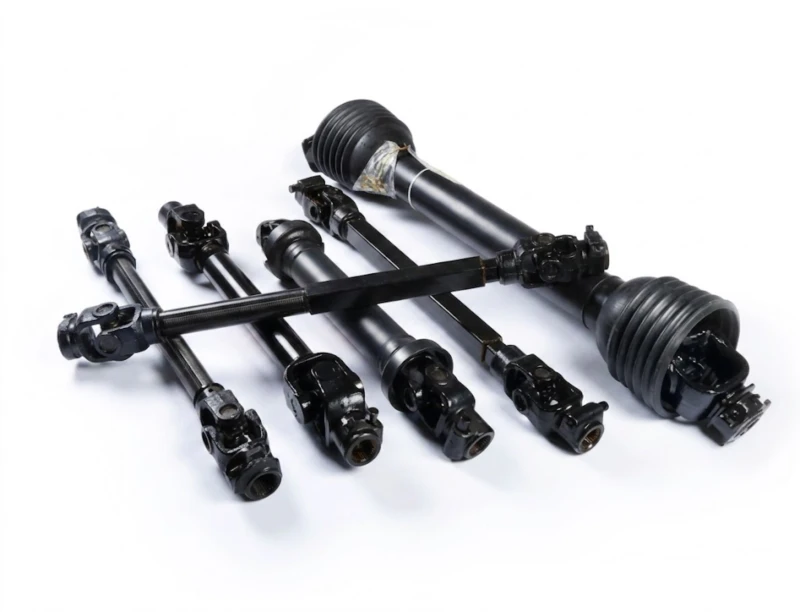
Shredding equipment requires particularly diligent maintenance. Hammer mill components wear rapidly through impact with rigid stalks. Hammer and anvil replacement should be scheduled every 2,000 to 3,000 operating hours—potentially annually for active operations. Blade-type shredders require regular sharpening or blade replacement maintaining cutting efficiency. Budget realistic maintenance expenses when evaluating corn stalk baling economics.
Bearing wear accelerates in corn stalk operations due to vibration and mechanical stress. Regular bearing lubrication and inspection prove essential. Many operators adopt preventive bearing replacement on regular intervals (annually or every 2,000 hours) rather than waiting for failure. This planned maintenance approach prevents unexpected breakdowns during harvest operations when equipment availability proves critical.
Equipment lifespan expectations should be adjusted downward for corn stalk applications compared to hay-only equipment. Equipment rated for 4,000 to 5,000 hay baling hours might reasonably deliver only 2,500 to 3,500 hours of corn stalk service before accumulated wear demands replacement. Plan equipment investment and replacement cycles accounting for these accelerated wear patterns.
Market Opportunities and Economic Considerations
Corn stalk baling enables farmers to generate revenue from agricultural residue that might otherwise remain unutilized. Markets for corn stalk bales have expanded substantially with increased interest in biomass energy, livestock bedding, and specialty feed applications. Quality corn stalk bales—shredded, high-density, and properly stored—command market prices of $25 to $50 per ton depending on feedstock quality and regional market conditions.
Bedding applications represent particularly strong markets for premium corn stalk bales. Livestock producers increasingly recognize chopped corn stalks as superior bedding material compared to traditional straw—superior absorbency, dust reduction, and animal comfort characteristics drive premium pricing. Shredded, high-density corn stalk bales marketed as premium bedding can achieve prices approaching hay-equivalent values in strong regional markets.
Biomass energy applications create steady demand for corn stalks, particularly in regions with biomass heating infrastructure or biofuel facilities. Consistent supply of quality corn stalk bales supports long-term supply contracts at stable, predictable pricing. However, biomass markets typically demand larger volumes than small operations produce—partnerships with multiple producers or trading through broker networks facilitate market access.
Economic analysis of corn stalk baling should account for both direct revenue from bale sales and indirect benefits including soil health improvements and residue management. Controlled residue removal through baling improves overall farm profitability while avoiding environmental concerns associated with residue burning. When calculating operational economics, include all direct revenues plus environmental and agronomic benefits supporting long-term sustainability.
Frequently Asked Questions
Evaluating Equipment Options for Your Operation
Successful corn stalk baling requires matching equipment specifications to your specific operational requirements. Evaluate annual stalk volumes you anticipate processing—operations harvesting substantial volumes justify investment in specialized shredder-equipped equipment; occasional stalk baling might be adequately served by simpler systems. Consider your storage infrastructure—limited storage capacity may favor higher-density shredding systems minimizing space requirements.
Assess tractor capabilities honestly. Verify PTO horsepower and hydraulic capacity against equipment specifications. Conservative equipment selection providing adequate power reserves ensures reliable performance throughout diverse field conditions and stalk density variations. Undersized tractors create frustration and risk equipment damage.
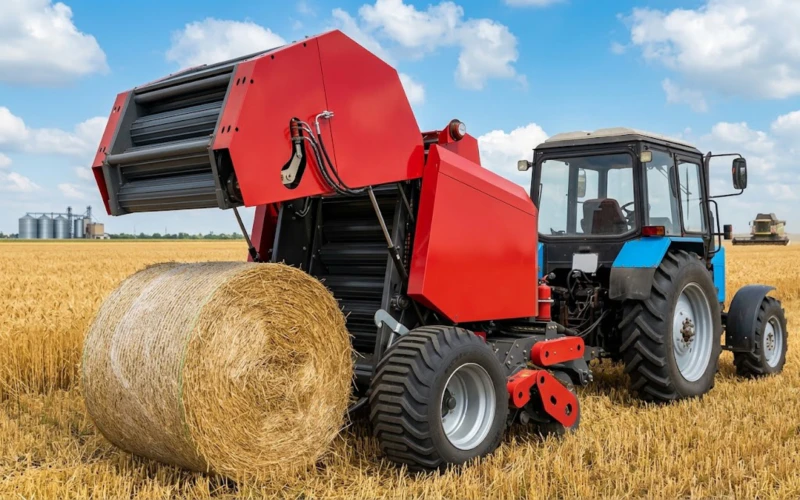
For comprehensive technical specifications on corn stalk baling equipment, detailed model comparisons, and expert guidance on selecting machinery matched to your operational requirements and field conditions, explore our complete corn stalk baling equipment reference and specification library featuring detailed horsepower requirements, density comparisons, and equipment compatibility matrices enabling precise specification matching for diverse agricultural scenarios.
Need Expert Guidance on Corn Stalk Baling Equipment?
Our specialists possess extensive experience with specialized stalk baling operations and can provide personalized consultation evaluating your specific farm conditions, tractor capabilities, and production objectives. Whether you are planning your first corn stalk harvesting operation, evaluating equipment upgrades, or optimizing existing stalk baling systems, we offer professional expertise guiding equipment selection decisions aligned with your farm’s unique requirements.
Contact Our Corn Stalk Baling Specialists
Access our detailed equipment selector tools and specification databases to evaluate specific equipment configurations matched to your operational parameters and farm requirements.
Conclusion: Successful Corn Stalk Baling Requires Specialized Approach
Corn stalk baling presents unique harvesting challenges distinct from traditional hay and silage production, requiring specialized equipment designed specifically for processing rigid, fibrous crop residue. While conventional balers can technically process stalks, equipment specifically configured with shredding mechanisms, adequate horsepower, and robust components delivers substantially superior results. Farmers committed to regular corn stalk harvesting should prioritize investing in specialized equipment rather than attempting to utilize general-purpose hay systems.
Successful corn stalk operations depend on understanding material characteristics including moisture content, density properties, and storage requirements distinct from hay and silage. Proper field conditioning, careful soil management, and realistic horsepower and hydraulic matching between equipment and tractors prove essential for reliable performance. Accelerated equipment wear and maintenance demands require adjusted economic analyses and equipment replacement planning compared to hay-only operations.
The economic opportunities from corn stalk baling—generating revenue from agricultural residue while improving soil health and farm sustainability—justify equipment investment for operations with adequate stalk volumes. Quality corn stalk bales command competitive market prices supporting viable commercial operations. By selecting appropriate specialized equipment, understanding specific operational requirements, and implementing careful management practices, farmers can develop profitable, sustainable corn stalk harvesting operations that transform agricultural residue into valuable crop enterprise. Your careful equipment selection and operational planning will enable successful corn stalk baling contributing to improved farm economics and environmental stewardship for many harvesting seasons to come.