Fixed Chamber vs Variable Chamber Round Balers: Understanding Compression Systems and Performance Differences
Round baler compression chamber design fundamentally influences bale quality, operator flexibility, feedstock compatibility, and economic performance throughout years of equipment operation. The distinction between fixed-chamber and variable-chamber designs represents one of the most significant technological differences in contemporary round baler systems, yet many farmers remain uncertain about practical implications of each approach. This comprehensive guide examines both compression system technologies in detail, comparing performance characteristics, operational flexibility, maintenance requirements, and economic considerations enabling informed equipment selection aligned with specific farm requirements and production objectives.
Understanding Fixed Chamber Compression Systems
Fixed-chamber round balers employ a compression mechanism with a stationary internal diameter that cannot be adjusted during operation. The bale chamber—typically featuring 10 to 18 fixed rollers—maintains consistent internal dimensions throughout the baling process. As material accumulates within the chamber, density increases through accumulated forage mass rather than physical chamber dimension reduction. When bales reach predetermined weight thresholds—detected through density monitoring or ejection trigger mechanisms—the completed bales are expelled and the cycle repeats.
Fixed-chamber designs prioritize simplicity and mechanical reliability. With fewer moving components and no adjustable mechanisms requiring calibration, these systems deliver straightforward operation and minimal maintenance complexity. Farmers appreciate the mechanical simplicity and predictable performance characteristics of fixed-chamber equipment. The absence of hydraulic adjustment systems reduces potential failure points and simplifies troubleshooting when operational issues emerge.
Bale density in fixed-chamber systems depends almost entirely on accumulated material volume within the fixed-dimension chamber. Denser crops enable higher-density bales in standard equipment; lighter crops produce lower-density bales regardless of operator preference. This inherent limitation means fixed-chamber balers produce variable-density bales as feedstock characteristics change throughout harvesting operations. A baler producing 1,000-pound bales from dense alfalfa might produce 700-pound bales from lighter-stemmed grass hay.
Equipment cost represents another significant fixed-chamber advantage. Without sophisticated hydraulic adjustment systems, density control mechanisms, and electronic monitoring equipment, fixed-chamber balers cost substantially less than equivalent variable-chamber systems. This cost advantage makes fixed-chamber equipment accessible for budget-conscious farmers and small-scale operations. The lower equipment investment justifies fixed-chamber selection for farmers prioritizing initial purchase economy.
Understanding Variable Chamber Compression Systems
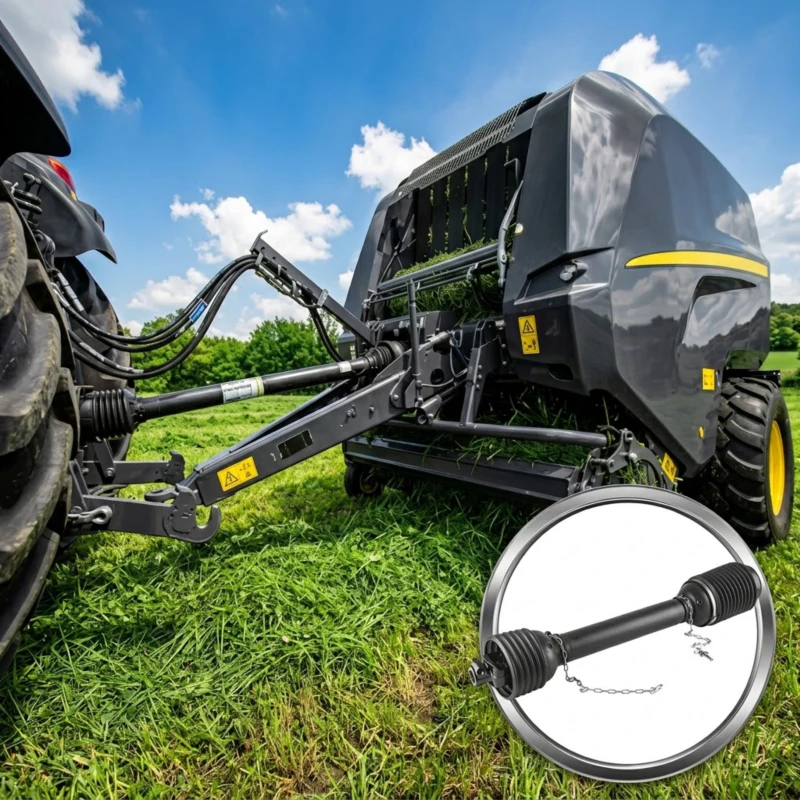
Modern Technology: Variable-chamber systems employ adjustable rollers and hydraulic controls enabling precise density adjustment throughout baling operations, delivering consistent bale weight and superior operator flexibility compared to fixed-chamber alternatives.
Variable-chamber round balers feature adjustable compression rollers controlled through hydraulic systems managed by electronic controllers. The bale chamber diameter can be continuously adjusted—typically ranging from 12 to 24 inches in diameter variation—enabling precise control over bale density. As forage accumulates within the chamber, hydraulic pistons gradually reduce the available chamber space, maintaining target density regardless of feedstock characteristics or moisture content variations.
The fundamental advantage of variable-chamber systems lies in density consistency. By continuously adjusting chamber dimensions as material accumulates, these systems maintain remarkably consistent bale weight and density throughout harvesting operations. A variable-chamber baler might produce consistently 1,200-pound bales from diverse feedstock—whether dense alfalfa, lighter grass hay, or moisture-variable silage materials. This consistency enables predictable production metrics and superior product uniformity.
Electronic monitoring systems integrated with variable-chamber equipment provide sophisticated feedback enabling precise operational control. Operators can establish target bale weights and observe real-time density feedback as bales develop. Some advanced systems enable automatic adjustment of density settings based on feedstock characteristics, hydraulic pressure monitoring, and bale weight measurements. This technological sophistication provides operators unprecedented control over bale characteristics.
The flexibility of variable-chamber systems enables operators to adjust bale characteristics responding to specific requirements. Light, fluffy bales suited for premium bedding applications can be produced by limiting chamber compression. Dense bales optimized for transport efficiency can be created by applying maximum chamber compression. This flexibility enables single equipment producing diverse bale types responding to market requirements or specific end-use applications.
Performance Characteristics and Bale Quality
Variable-chamber systems produce significantly more consistent bale quality compared to fixed-chamber equipment. The constant density adjustment maintains uniform weight and density throughout harvesting operations. Commercial forage buyers increasingly specify net-wrap balers with variable-chamber systems due to superior consistency enabling predictable nutritional content and handling characteristics. For operations marketing forage commercially, variable-chamber consistency provides tangible competitive advantages.
Bale uniformity influences livestock feeding efficiency and overall feed utilization effectiveness. Uniform bales enable precise nutritional balancing and feedstock mixing. Inconsistent bale weights complicate accurate feed ration formulation and may result in nutritional imbalances or feed waste. Livestock operations valuing nutritional precision often prefer variable-chamber bales due to enhanced consistency supporting accurate feeding programs.
Fixed-chamber balers produce variable-density bales that nonetheless remain acceptable for many applications. On-farm feed consumption operations accept density variation as a normal operational characteristic. Feedstock quality changes throughout harvest seasons without requiring equipment adjustments. This flexibility—accepting variable results without operator intervention—appeals to farmers prioritizing simplified operations over precision consistency.
Density extremes represent another consideration in baler selection. Variable-chamber systems prevent excessive density through mechanical limits protecting equipment from compression overload. Fixed-chamber systems can develop extremely dense bales from exceptionally dense feedstock, potentially creating handling difficulties and requiring excessive equipment power. Variable-chamber maximum compression limits protect both equipment and operator safety.
Maintenance Requirements and Equipment Complexity
Maintenance complexity differs substantially between chamber types. Fixed-chamber systems employ straightforward mechanical designs requiring basic lubrication and routine component inspection. Annual maintenance typically requires 4 to 8 hours of operator-performed tasks. Repair requirements remain modest—roller bearing replacement and occasional component refurbishment constitute primary maintenance interventions. Farmers comfortable with basic mechanical maintenance can service fixed-chamber equipment independently.
Variable-chamber systems incorporate sophisticated hydraulic components, electronic controls, and adjustable roller mechanisms requiring more complex maintenance and occasional professional service. Annual maintenance demands 8 to 16 hours including hydraulic fluid checks, electronic system diagnostics, and roller adjustment verification. When issues emerge—hydraulic leaks, electronic component failures, or sensor malfunctions—professional technician intervention frequently proves necessary. Budget realistic maintenance expenses when selecting variable-chamber equipment.
Hydraulic system reliability becomes critical in variable-chamber operation. Leaking seals, clogged hydraulic lines, or malfunctioning pressure regulators compromise density adjustment capability, resulting in inconsistent bale formation. Preventive hydraulic maintenance—regular fluid changes, filter replacement, and seal inspection—proves essential for reliable performance. Dealers should be consulted regarding recommended hydraulic service intervals specific to your equipment model.
Electronic component failures occasionally emerge in variable-chamber systems, particularly in harsh field environments. Moisture intrusion, electrical corrosion, and mechanical shock can compromise sensor function or control module reliability. Modern equipment incorporates robust electronic protection, yet field failure remains a possibility requiring professional diagnosis and potential component replacement. Factor potential electronic repair expenses into total cost-of-ownership calculations.
Operational Flexibility and Feedstock Adaptability
Variable-chamber balers excel at processing diverse feedstock with minimal operational adjustment. Operators can harvest alfalfa, grass hay, cereal silage, and specialty crops using identical equipment with consistent results. The automatic density adjustment accommodates feedstock variation without requiring operator intervention. This flexibility enables single-equipment harvesting diverse forage materials throughout harvest seasons.
Fixed-chamber balers produce consistent results with specific feedstock types but require operator acceptance of density variation with diverse materials. Harvesting early-bloom alfalfa produces dense bales; harvesting late-season grasses produces lighter bales. Experienced operators anticipate these variations and plan operations accordingly. This operational simplicity—accepting natural density variation—appeals to farmers preferring straightforward equipment.
Moisture content variations create different challenges for each system. Variable-chamber balers automatically adjust density responding to moisture-induced feedstock property changes. Fixed-chamber balers produce density changes with moisture variation. If consistent density proves important for your operation, variable-chamber flexibility provides tangible advantages accommodating harvest season moisture fluctuations.
Ground speed flexibility represents another operational consideration. Variable-chamber systems can maintain target density at diverse ground speeds—faster speeds produce lighter bales, slower speeds produce denser bales, with automatic adjustment maintaining weight consistency. Fixed-chamber systems produce density changes with ground speed variation. Variable-chamber flexibility enables maintaining consistent production throughout variable field conditions.
Economic Analysis and Investment Justification
Equipment cost represents the most obvious economic difference. Fixed-chamber balers typically cost $45,000 to $80,000 for standard models. Variable-chamber systems command $65,000 to $120,000 depending on sophistication level. This $20,000 to $40,000 cost differential represents substantial financial commitment requiring economic justification through operational benefits or market advantages.
Annual maintenance expenses also reflect complexity differences. Fixed-chamber systems typically incur $800 to $1,500 annual maintenance. Variable-chamber systems demand $1,500 to $3,000 annually. Over 10-year equipment lifespan, cumulative maintenance differences can approach $15,000 to $20,000. Budget realistic maintenance when evaluating total cost of ownership.
Commercial forage operations often justify variable-chamber investment through premium pricing for consistent, high-quality product. Consistent bale weights enable reliable marketing, improved buyer satisfaction, and potential price premiums. Operations producing 5,000 to 10,000 bales annually can recover equipment investment premiums within 3 to 5 seasons through quality-driven pricing advantages. For commercial producers, variable-chamber economics often prove favorable.
On-farm consumption operations—harvesting forage for exclusive livestock use—frequently find fixed-chamber equipment adequate. Density variation poses minimal concern when forage remains under producer control. Equipment investment minimization and operational simplicity often outweigh consistency benefits for non-commercial operations. Budget-conscious small farms typically benefit from fixed-chamber selection.
Market Requirements and Buyer Expectations
Commercial hay and silage buyers increasingly specify consistent bale weight and density characteristics. Large livestock operations and feed mills require uniform product supporting accurate feed formulation and nutritional consistency. Export markets almost universally prefer variable-chamber equipment producing consistent, predictable bales. Operations pursuing commercial forage sales should seriously consider variable-chamber investment supporting market access and premium pricing.
Dairy operations prioritize nutritional consistency, often specifying net-wrapped variable-chamber silage bales in purchase specifications. Livestock producers understand that uniform bales support better feed management and animal performance. These sophisticated buyers recognize variable-chamber advantages and factor bale characteristics into purchasing decisions. Meeting buyer expectations often requires variable-chamber investment.
Conversely, custom harvesting operations serving diverse clients often benefit from variable-chamber flexibility. Operators can produce consistent product meeting diverse client specifications—light bedding bales, moderate-density animal feed bales, or dense transport-efficient bales—using single equipment. This flexibility enables serving broader customer base and commanding premium custom hire rates.
Frequently Asked Questions
Making Your Chamber System Selection Decision
Selecting between fixed and variable chamber systems requires honest assessment of your specific operational priorities. If commercial forage sales represent significant income, variable-chamber investment typically proves justified through quality consistency and market access benefits. If harvesting exclusively for on-farm livestock consumption, fixed-chamber adequacy combined with cost advantages often represents optimal selection.
Evaluate your tractor capabilities and available horsepower. Variable-chamber systems sometimes demand slightly more horsepower than fixed-chamber equivalents due to adjustable roller mechanisms. Verify horsepower adequacy before committing to variable-chamber selection. Budget conscious operations should confirm fixed-chamber compatibility with available equipment.
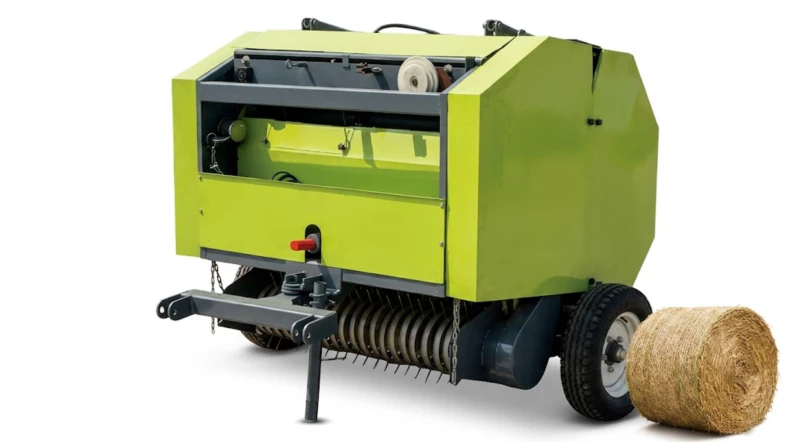
For detailed technical comparisons of fixed and variable-chamber systems, comprehensive equipment specifications, and expert guidance on selecting compression technology aligned with your operational requirements and market objectives, explore our complete round baler compression system comparison and specification database featuring detailed performance metrics, density comparison tables, and comprehensive decision frameworks enabling precise technology evaluation for your specific circumstances.
Need Help Choosing Between Fixed and Variable Chamber Systems?
Our equipment specialists provide expert consultation comparing fixed and variable-chamber technologies for your specific operation. Whether you are evaluating first-time equipment purchase, considering equipment upgrades, or optimizing bale consistency for commercial applications, we offer professional guidance helping you match chamber technology to your operational priorities and financial constraints.
Contact Our Chamber System Selection Specialists
Explore our detailed system comparison tools and equipment specification matrices to evaluate chamber technologies against your specific requirements and operational scenarios.
Conclusion: Aligning Chamber Technology with Operational Objectives
Fixed-chamber and variable-chamber round balers represent distinctly different technologies optimized for different operational priorities. Neither system is universally superior—optimal selection depends entirely on your specific requirements, market orientation, available capital, and operational philosophy. Fixed-chamber simplicity and cost-effectiveness serve budget-conscious farmers and on-farm consumption operations exceptionally well. Variable-chamber flexibility and consistency benefit commercial producers and operators requiring precise density control.
Commercial forage operations increasingly adopting variable-chamber systems recognize genuine advantages in consistency and market access justifying premium equipment investment. The ability to produce uniform, predictable bales throughout diverse feedstock conditions and seasons creates tangible commercial value supporting higher product prices and customer satisfaction. For operations measuring success by market premiums and buyer confidence, variable-chamber investment frequently proves economically sound.
Take time to honestly evaluate your operation’s requirements—your forage types, production volumes, market orientation, available capital, and maintenance capabilities. This thoughtful analysis will identify whether fixed-chamber simplicity or variable-chamber flexibility better serves your priorities. Equipment selected matching your actual requirements and operational philosophy will deliver sustained satisfaction and optimal long-term value throughout years of productive harvesting. Your careful consideration of chamber system technology will ensure equipment selection supporting operational efficiency, product quality standards, and farm profitability aligned with your vision for sustainable agricultural success.