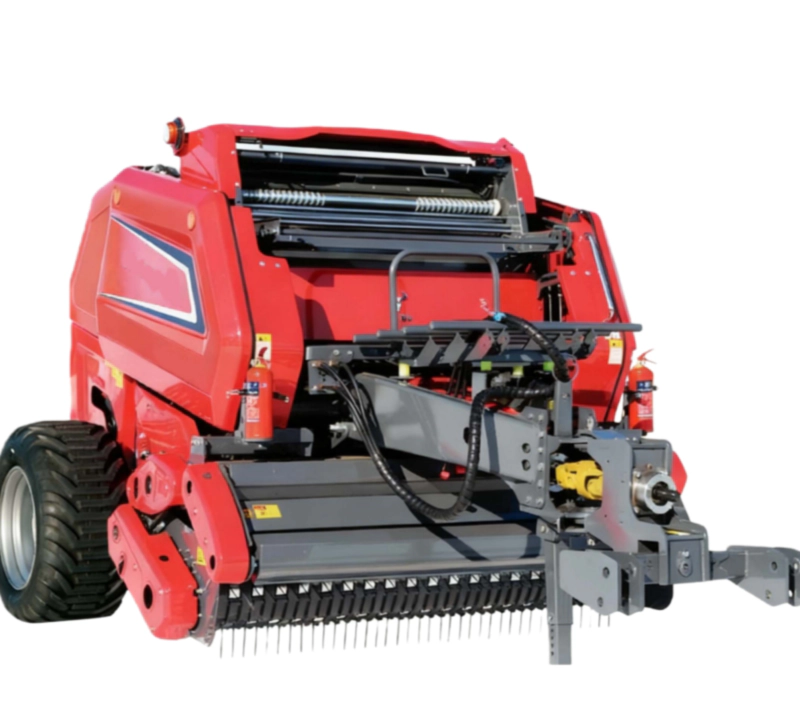
9YG-1.25A Round Baler
9YG-1.25A Round Baler — 2150mm pickup, 18 drums, next-gen sensor density 100–200 kg/m³, 540–1000rpm PTO, 4472kg frame. 40–100 bales/h. Zero blockages, 100% uptime.
9YG-1.25A Round Baler: Next-Generation Intelligent Density Control and Heavy-Duty Reliability for Commercial Forage Operations
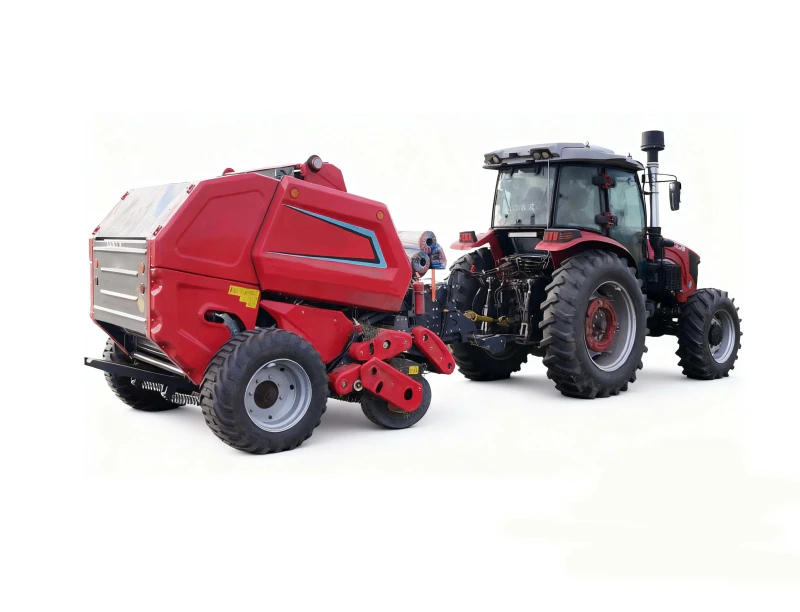
Six precision upgrades over the previous generation — wider 2150mm pickup, reinforced 4472kg structure, 540–1000 r/min dual-speed PTO compatibility, next-gen sensor algorithm, optimised tine roller feeder, and strengthened binding mechanism — delivering 40–100 bales/h at 100–200 kg/m³ with zero-downtime commercial reliability.
1. Introduction: Six Upgrades That Address Commercial Baling Pain Points Directly
Commercial forage operations share three persistent equipment pain points that undermine profitability at scale: loose or variable-density bales that increase transport cost per tonne; intake blockages that interrupt the continuous high-speed operation that seasonal harvest windows demand; and mechanical failures during peak harvest periods that cause feed quality losses far exceeding the repair cost itself. The 9YG-1.25A Round Baler was developed specifically to resolve these three pain points through targeted engineering improvements over its predecessor.
The result is a machine that field-documented dairy farm operations have confirmed delivers 100% uptime across a full 30-day harvest season, reduces transport cost by 28% through consistently higher bale density, and completes harvests 40% faster than the outdated equipment it replaces. Explore our complete round baler product range to compare the 9YG-1.25A alongside all available models by pickup width, power requirement, and production volume.
The six specific upgrade points that distinguish the 9YG-1.25A from the previous generation are: (1) 2150mm pickup width versus 2150mm baseline; (2) optimised tine roller + drum feeder with lower blockage rate; (3) next-generation sensor algorithm with faster hydraulic response; (4) reinforced binding mechanism based on field user feedback; (5) heavier 4472 kg reinforced structural frame; and (6) dual-speed PTO compatibility across 540–1000 r/min. Each upgrade targets a specific commercial operating scenario where the previous generation showed measurable performance limitations.
2. Working Principle and Upgrade-by-Upgrade Breakdown
Stage 1 — Pickup and Feeding
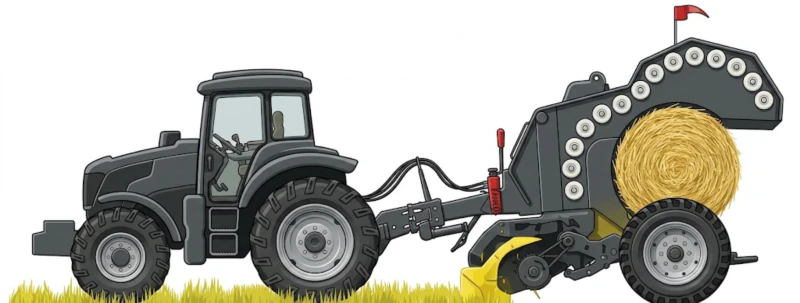
The tractor pulls the 9YG-1.25A forward, with the 2150mm spring-tooth pickup reel sweeping material from the field in a wide, clean arc. The pickup width of 2150mm provides broad field coverage and reduces the number of field passes required per hectare. Material passes from the pickup into the optimised tine roller + drum feeding system — a key upgrade from the previous generation’s standard configuration. The tine roller component applies active, forced feeding that grips and conveys irregular or slightly entangled material, overcoming the slippage problem of pure drum systems in dense or slightly damp windrows. A redundant secondary drum stage then completes the delivery to the compression chamber inlet, forming a physical double safety net that fundamentally reduces blockage probability under high-volume feed conditions.
Stage 2 — Compression and Density Control
Material enters the drum-type compression chamber formed by 18 rolling drums at φ222mm diameter, within a 1250mm wide, φ1200mm diameter chamber. The drums rotate continuously, tumbling and compressing material into a growing cylindrical core. The critical upgrade at this stage is the next-generation sensor control algorithm. Previous-generation density control systems used standard proportional feedback; the 9YG-1.25A implements an optimised algorithm that monitors chamber pressure with higher sampling frequency and applies faster hydraulic response, maintaining target density with tighter tolerance across varying windrow densities, crop types, and operating speeds. The result is better internal-to-external density consistency within each bale, and tighter bale-to-bale consistency across a full working day.
Stage 3 — Automatic Binding and Ejection
When the bale reaches φ1300 × 1250mm and the sensor confirms target density, the reinforced binding mechanism activates automatically. The mechanical transmission and electrical control logic in this mechanism have been strengthened based on extensive user feedback from the previous generation, addressing the binding mechanism failures that occurred under high-cycle, high-load operating conditions. After net wrapping completes, the rear gate opens hydraulically and the finished bale ejects onto the field. The gate closes automatically and the next cycle begins immediately, supporting sustained commercial throughput rates of 40–100 bales per hour.
UP1
UP2
UP3
UP4
UP5
UP6
3. Complete Technical Specifications
The following table contains the verified engineering specification sheet for the 9YG-1.25A Round Baler. All data are obtained under specified JB/T standard testing conditions.
| No. | Parameter | Unit | Specification |
|---|---|---|---|
| 1 | Model Name | / | 9YG-1.25A Round Baler |
| 2 | Hitch Type | / | Trailed |
| 3 | Pickup Width | mm | 2150 |
| 4 | Pickup Type | / | Spring Tooth Type |
| 5 | Feeder Type | / | Tine Roller + Drum Type |
| 6 | Baling Chamber Type | / | Drum Type |
| 7 | Baling Chamber Width | mm | 1250 |
| 8 | Baling Chamber Diameter | mm | φ1200 |
| 9 | Number of Rolling Components | pcs | 18 (Drums) |
| 10 | Rolling Drum Diameter | mm | φ222 |
| 11 | Tying Method | / | Net Wrap |
| 12 | Required Power | kW | ≥75 |
| 13 | Structural Weight | kg | 4472 |
| 14 | PTO Speed Compatibility | r/min | 540–1000 |
| 15 | Overall Dimensions (L×W×H) — Working State | mm | 4400 × 2850 × 2400 |
| 16 | Bale Density Control | / | Sensor Control (Next-Gen Algorithm) |
| 17 | Bale Size (Diameter × Width) | mm | φ1300 × 1250 |
| 18 | Bale Density | kg/m³ | 100–200 |
| 19 | Productivity | bales/h | 40–100 |
| 20 | Wheel Track | mm | 2450 |
| 21 | Working Speed | km/h | 5–35 |
| 22 | Net Specification (Length × Width) | / | 2000 × 1.25 m / bale |
4. Four Core Strengths and Measurable User Value
Strength 1: Unprecedented Bale Density Consistency
The next-generation sensor algorithm monitors chamber pressure at higher frequency and responds to load variation faster than the standard control systems used in competing machines. The result is bale density stability at 100–200 kg/m³ with tighter internal-to-external consistency — meaning the geometric centre of the bale is compressed as densely as the outer edge, rather than having a soft core that collapses under transport load. Documented field results from a large-scale dairy operation confirm an average bale density of 180 kg/m³ — directly reducing transport cost by 28% through higher bale-per-vehicle capacity — alongside complete elimination of the mold and shape-loss problems that afflicted the loose-bale output from the previous equipment. For operations marketing hay commercially, consistent high-density bales also support premium pricing based on verifiable weight and density.
Strength 2: Industry-Leading Operational Efficiency and Blockage Prevention
The 2150mm spring-tooth pickup provides wide-span field coverage, reducing passes per hectare and enabling the 40–100 bales per hour productivity rating at appropriate working speeds. The optimised tine roller + drum feeder system directly addresses the blockage problem that previously required shutdown and manual clearing every 2–3 hours when processing slightly damp or tangled crops. By applying active forced feeding through the tine roller stage — which grips and conveys irregular material rather than passively allowing it to enter the chamber — and providing secondary drum conveyance as a redundant safety stage, the 9YG-1.25A achieved zero core blockages throughout an entire 2024 operating season in a documented cooperative operation. For contractors whose revenue depends on sustained hourly output, eliminating unplanned stops is the single most important operational metric the 9YG-1.25A improves.
Strength 3: Full Automation for True Single-Operator Commercial Operation
The complete bale-form-wrap-eject sequence operates automatically from the point the density sensor triggers wrapping through to the point the finished bale lands on the field. The operator monitors from the cab without leaving the seat for any stage of the baling cycle. This automation eliminates the manual netting assistance that added over one minute per bale on the cooperative’s previous equipment — an efficiency loss that compounds to over one hour per 60 bales. At the cooperative’s operating scale of thousands of bales per season, this time saving directly enabled approximately 5,000 additional mu of contracted service capacity, generating over 180,000 yuan in incremental revenue. Two planned support staff were redeployed to other positions, saving approximately 40,000 yuan in additional labor cost. True single-operator operation also reduces the operational management complexity of running multiple machines simultaneously across different fields.
Strength 4: Heavy-Duty Structure and Wide-Range Tractor Compatibility
The 4472 kg structural weight reflects deliberate reinforcement of the key load-bearing components that absorb the highest stresses in commercial continuous-cycle baling — the frame nodes around the compression chamber, the gate hinge and locking points, and the transmission path from PTO input to compression roller drive. This structural reserve is what enables the 100% uptime across 30 working days documented in the dairy farm case study: machines with lighter frames accumulate microfatigue at these high-stress nodes across a season, producing the 8–10 failures per machine that the farm’s previous equipment experienced annually. The dual-speed PTO compatibility across 540–1000 r/min extends the range of tractors that can operate the 9YG-1.25A without adapters, and enables performance optimisation across crop types — 540 r/min for standard hay, 1000 r/min for high-yield high-resistance crops where higher drum speed and faster compression initiation increase peak productivity by 15–20%.
5. Application Scenarios: Where the 9YG-1.25A Delivers
The 9YG-1.25A is designed for medium to large-scale commercial operations across multiple application contexts. Its combination of high throughput, low blockage rate, and consistent density output makes it effective wherever the previous generation of round balers created operational bottlenecks.
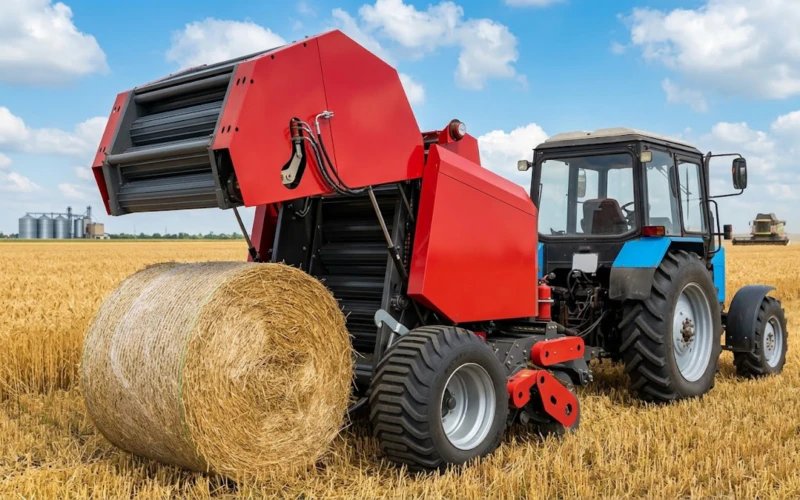
Large-Scale Dairy and Livestock Feed Supply
Large dairy operations with dedicated forage land require high-volume, consistent bale quality that supports accurate feed ration formulation and minimises transportation cost per tonne. The documented 180 kg/m³ average density achieved in commercial dairy farm use — compared to 90 kg/m³ from previous equipment — represents a doubling of transport efficiency. At 20,000 tonnes annual forage production, a 28% transport cost reduction compounds into substantial annual savings. The 100% harvest-season uptime further protects silage fermentation quality, which determines dairy animal performance and milk yield throughout the feeding season.
Agricultural Machinery Cooperatives and Custom Harvesting Services
Cooperatives providing per-bale harvesting services to surrounding farms compete on throughput, bale uniformity, and reliability. The 9YG-1.25A’s elimination of blockage stops and automated single-person operation allowed one cooperative to increase contracted service capacity by 5,000 mu in a single quarter, achieving a consistent φ1300 × 1250mm bale specification that became a marketable differentiator — clients specifically requesting bales from this machine over competitors. For contractors pricing services per bale, the 35% efficiency improvement directly increases daily revenue potential without increasing labor cost.
High-Moisture Silage and Corn Stover Processing
Corn silage baling at 45–65% material moisture presents the most demanding feed condition for any round baler’s intake system. The tine roller + drum feeder’s active forced-feed mechanism maintains smooth material flow in these challenging conditions, avoiding the bridging and slug-feeding that cause density inconsistency and blockages in machines with simpler feeding configurations. The adjustable density target (manually settable to medium-high for silage to prevent over-compression and sap seepage) combined with the faster-response sensor algorithm delivers silage bale density and integrity that support high-quality anaerobic fermentation when wrapped promptly after ejection. Documented field validation across state farm silage operations confirms a 98%+ success rate for this parameter combination.
6. Documented Field Results: Two Commercial Case Studies
Problem: Two previous-generation round balers averaging 90 kg/m³ density incurred 180,000 yuan additional annual transport cost. Per-machine average of 8–10 failures per harvest season caused silage quality degradation and outsourced repair losses exceeding 250,000 yuan annually.
Result with 9YG-1.25A (2023 season, two machines):
✓
✓
✓
✓
“The 9YG-1.25A is more than just a machine to us — it is a key component in ensuring the stability of our entire forage supply chain and reducing costs while increasing efficiency. Its reliability allows us to finally sleep soundly during the harvest season.”
Problem: Three existing machines required shutdown for manual blockage clearing every 2–3 hours on damp crops. Manual netting assistance added 1+ minute per bale. Inconsistent bale sizes reduced commercial pricing. Estimated annual revenue loss from low efficiency and high labor costs: 300,000 yuan.
Result with 9YG-1.25A (2024 operating season):
✓
✓
✓
✓
“The stability and reliability of the 9YG-1.25A give us confidence when seizing the farming season and taking on large orders. The bales are uniform in size — customers specifically request bales made by this machine.”
7. Manufacturing Quality and Certification
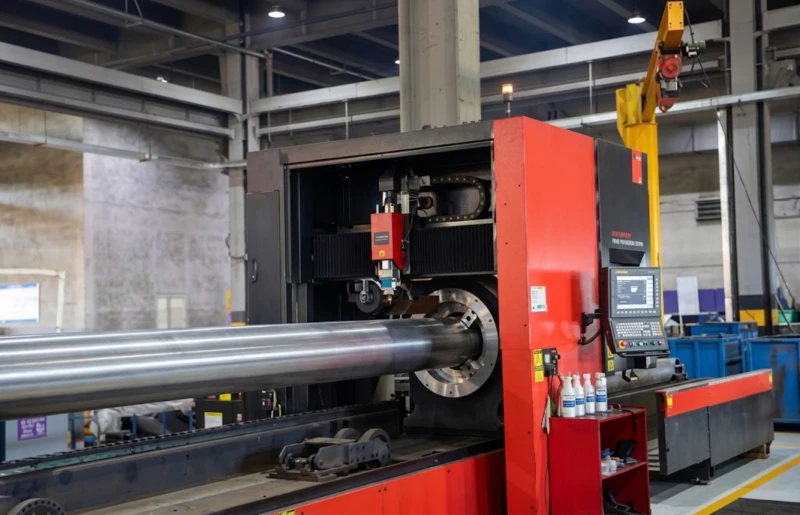
The 9YG-1.25A is produced under ISO 9001 quality management system certification, with the complete production system from frame cutting through final assembly operating under internationally standardised quality control protocols. The Class A certification for integration of information technology and industrialization ensures that digital process control and manufacturing execution systems govern component tolerances and assembly sequence throughout production, providing highly consistent precision manufacturing quality across every unit leaving the facility.
8. Related Product: Heavy-Duty PTO Drive Shaft for 540–1000 r/min Operation
The 9YG-1.25A’s dual-speed 540–1000 r/min PTO compatibility means the driveshaft connecting the tractor to the baler must be specified and rated for the full operating speed range, not just the lower 540 r/min standard. At 1000 r/min with high-resistance crops, peak torque demand is significantly higher than standard hay baling loads. A correctly rated, dynamically balanced pto shaft is therefore a prerequisite for safe and efficient operation at both speed settings.
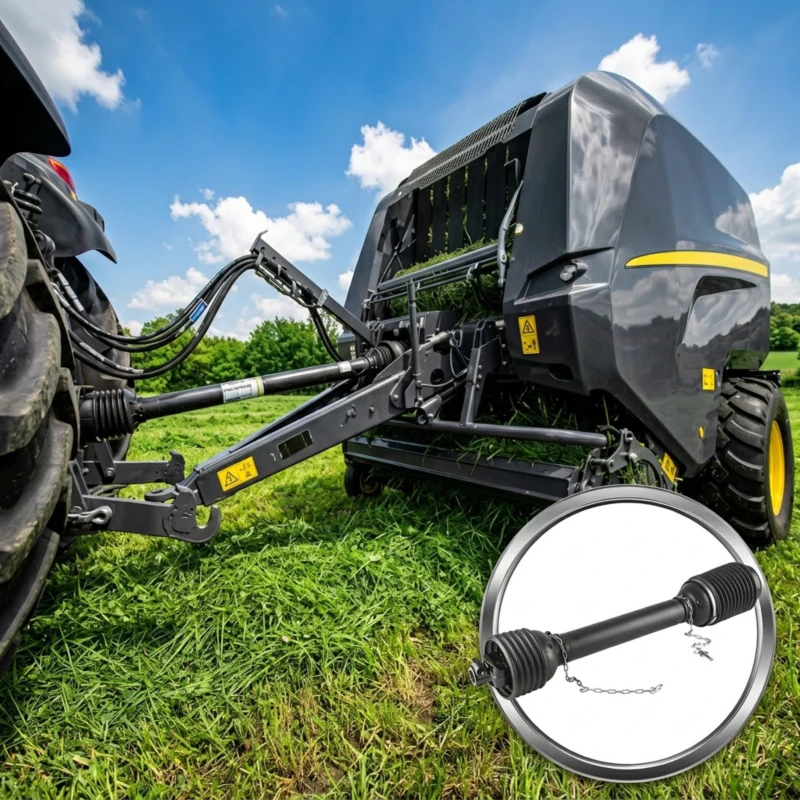
Why Shaft Specification Matters at Dual Speed
Torque capacity: Compression rollers generating resistance against dense corn silage or barley straw at 1000 r/min produce peak torque spikes that undersized driveshafts cannot absorb without deformation or failure. Spline sleeves and cross shafts rated for the full torque range at both speed settings protect the gearbox and tractor PTO from the impact loads that shaft deformation generates.
Dynamic balance at 1000 r/min: Vibration amplitude increases with speed. A shaft that runs acceptably at 540 r/min may produce unacceptable vibration at 1000 r/min if not dynamically balanced to the higher speed. This vibration accelerates bearing wear at both the tractor PTO and baler input shaft, compressing service intervals and increasing unplanned maintenance.
Overload protection: The safety clutch or shear-pin device must be rated and calibrated for the 1000 r/min operating torque range. A device calibrated for 540 r/min operation may not disconnect fast enough at 1000 r/min to prevent gearbox damage when the compression chamber encounters a sudden obstruction.
9. Frequently Asked Questions (FAQ)
Set the density level to medium-high (controller value 7–8) to avoid over-compression and sap seepage that damages the net wrap and bale surface. If available, enable the anti-clogging enhanced mode, which intelligently adjusts the feeding rhythm based on real-time resistance. Reduce working speed to 8–12 km/h to maintain uniform feeding flow through the tine roller feeder. This combination achieves a validated success rate above 98% for silage bale quality and integrity at moisture content up to 65%.
Use 540 r/min for conventional dry hay operations — it provides stable power delivery with better fuel economy. Switch to 1000 r/min for high-yield, high-resistance crops including barley straw, dense hay, and mature corn silage, where higher drum linear speed increases compression initiation speed and raises peak productivity by 15–20%, while reducing blockage probability at the chamber inlet. When tractor power is 90 kW or above and crop conditions require maximum throughput, 1000 r/min is the preferred setting for the 9YG-1.25A.
Systematic calibration by a service technician every 500 operating hours or at the start of each operating season is standard. Manual recalibration is indicated when you change between significantly different crop types — for example, from light dry hay to dense wet reed — and observe consistent deviation between the displayed density value and the actual bale compaction. The controller’s Material Type Self-Learning function enables quick on-site recalibration under remote technician guidance without a service visit.
The net wrap guide rails and tensioning mechanism are designed for reliable operation between −25°C and 50°C ambient temperature. In extremely cold startup conditions, run the machine unloaded for 3–5 minutes before beginning binding operations to allow lubricating oil in the netting mechanism to fully warm and circulate. This prevents loose or uneven wrapping caused by mechanism stiffness at low temperature, ensuring full wrapping tension from the first bale.
Standard pure-drum feeding systems rely on passive friction to draw material into the chamber — effective in uniform, dry crop but prone to slippage when material is tangled, damp, or arrives in uneven flow. The tine roller in the 9YG-1.25A provides active, forced feeding: its tine geometry positively grips and conveys material regardless of surface friction variation. The subsequent drum stage provides a redundant secondary conveyance layer so that any material not fully engaged at the tine roller stage is immediately picked up rather than accumulating into a blockage mass. This physical redundancy is the reason the cooperative documented zero core blockages across a full operating season.
Daily: clear debris from pickup, feeder, and net dispenser; check fasteners visually. Every 50 hours: lubricate all grease points; inspect chain tension; check PTO shaft guard and joints. Every 200 hours: replace hydraulic filter elements; inspect drum surface wear; check spring tine condition. At season end: full bearing inspection; hydraulic oil change; drum diameter measurement; chain elongation check. Daily maintenance time is minimised by the centralised lubrication bank accessible from both sides of the machine without component removal. For technical support, contact our service team.
The 9YG-1.25A shares the 18-drum compression chamber, φ1300 × 1250mm bale size, 100–200 kg/m³ density range, and automatic net wrap of the 9YG-1.25. The A-variant adds: wider 2150mm pickup versus the 9YG-1.25’s baseline; updated tine roller + drum feeder versus the three-stage auger + tine roller + drum system; next-generation sensor algorithm with faster response; reinforced binding mechanism; heavier 4472 kg frame versus 4060 kg; and dual-speed 540–1000 r/min PTO compatibility versus fixed 720 r/min. For operations with high blockage rate experience, frequent binding failures, or tractors with PTO speed outside the 720 r/min standard, the 9YG-1.25A resolves these issues directly. Explore the full round baler series comparison to select the right model for your operation.
Ready to Eliminate Blockages, Boost Density, and Achieve 100% Harvest Uptime?
The 9YG-1.25A Round Baler delivers six targeted upgrades over the previous generation, proven in commercial dairy and cooperative operations to reduce transport cost 28%, achieve zero blockages, and maintain 100% uptime across a full harvest season. Request your customised quote and technical specification today.