
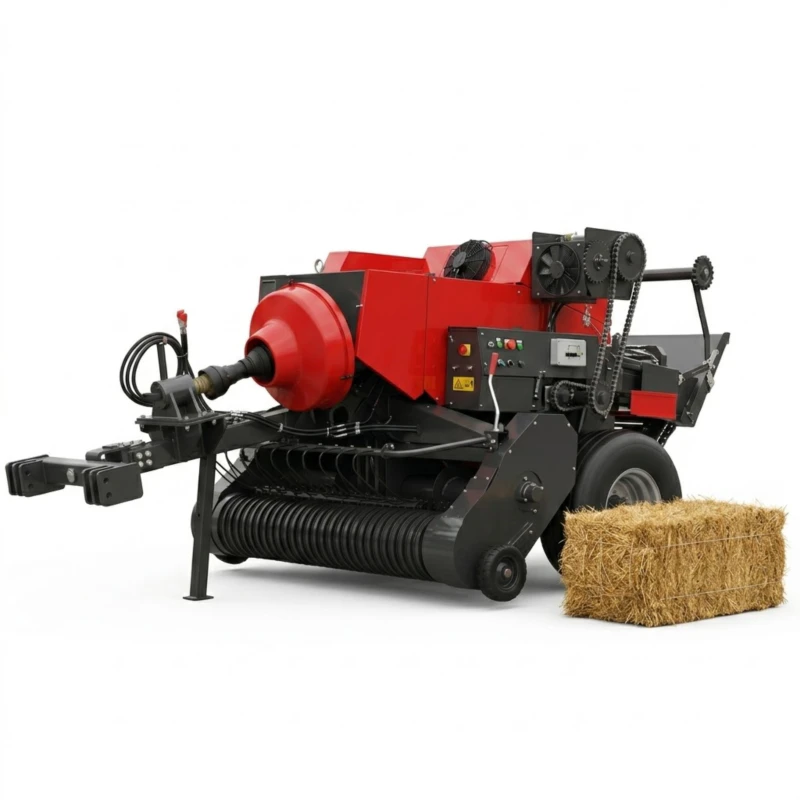
9YF-2200 Square Straw Baler
Maximize forage and biomass harvesting with the 9YF-2200 Square Straw Baler. Features a 2200mm pickup, high-density compaction, and D-type automatic knotters.
The Ultimate Technical Guide to the 9YF-2200 Square Straw Baler: Revolutionizing Modern Forage and Biomass Harvesting
Empowering modern agriculture with superior compaction, unmatched reliability, and high-efficiency crop residue management.
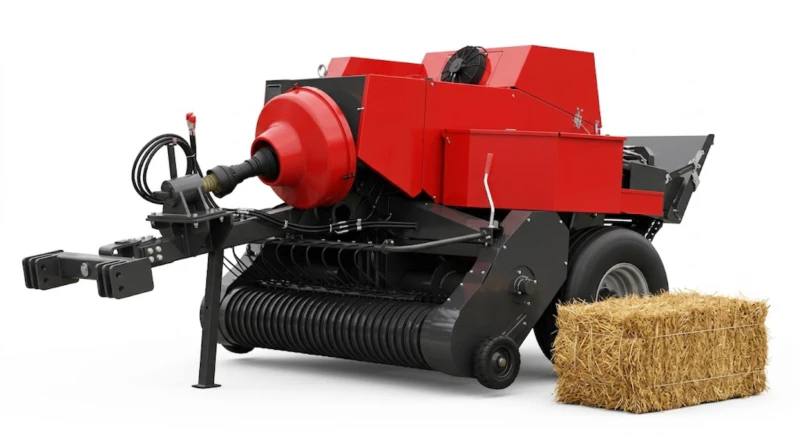
1. Introduction to the Future of Forage Baling
In the rapidly evolving landscape of modern agriculture, the management of crop residue and forage collection has become a paramount concern for farm operators worldwide. The shift from manual or low-efficiency collection to highly automated, heavy-duty machinery is not just a trend—it is an economic and environmental necessity. Enter the 9YF-2200 Square Straw Baler, an apex achievement in agricultural engineering designed to transform sprawling fields of loose straw, hay, and crop stalks into tightly compacted, uniformly rectangular bales ready for transport, storage, and utilization.
Historically, post-harvest crop residue like wheat straw, rice straw, and corn stover posed a significant challenge. Burning these residues in the field was a common practice, leading to severe ecological repercussions, including massive carbon emissions and soil degradation. Governments and environmental bodies have increasingly mandated sustainable residue management. The 9YF-2200 Square Straw Baler directly addresses this global challenge by turning agricultural waste into a highly valuable commodity. By compressing biomass into dense square bales, this machine facilitates the creation of animal feed, biofuel feedstocks, and materials for industrial processing.
What sets the 9YF-2200 apart is its uncompromising build quality and its meticulous engineering. Designed as a towed-type implement, it integrates seamlessly with standard agricultural tractors, drawing power via a robust mechanical driveline to drive a complex but highly synchronized system of pick-up tines, feeding forks, a heavy-duty compression ram, and state-of-the-art D-type knotters. This article will serve as your comprehensive masterclass on the 9YF-2200, exploring every technical specification, operational paradigm, application scenario, and maintenance protocol. Whether you are a large-scale commercial farm manager, an agricultural contractor, or a biomass fuel entrepreneur, understanding the capabilities of the 9YF-2200 will illuminate pathways to unprecedented operational efficiency and profitability.
2. Core Engineering Advancements & Operational Mechanics
The mechanical orchestration within the 9YF-2200 Square Straw Baler is nothing short of industrial poetry. It operates through a continuous, linear workflow: picking, feeding, compressing, and tying. Each stage has been optimized through rigorous field testing and iterative engineering to minimize blockages, maximize throughput, and ensure perfect bale formation regardless of crop conditions.
The Spring Tooth Pick-Up Mechanism
The journey of the crop begins at the pick-up reel. The 9YF-2200 boasts an expansive 2200 mm picking width, making it exceptionally capable of consuming wide, heavy swaths left behind by large combine harvesters. The picker utilizes a Spring Tooth Structure. These spring-loaded steel tines are designed to gently but firmly sweep the ground, lifting the crop material without collecting rocks, dirt, or debris. The flexibility of the spring teeth prevents breakage when encountering uneven terrain, ensuring the continuous, clean gathering of forage. This wide intake directly translates to fewer passes across the field, drastically reducing fuel consumption and soil compaction from tractor tires.
Fork Feeding Mechanism
Once the crop is lifted, it must be rapidly transferred into the compression chamber. The 9YF-2200 employs a highly efficient Fork Feeding Mechanism. Unlike auger-based systems that can struggle with long, tough stalks (such as corn stover or heavy reed canary grass), the fork packer system actively grabs the material and forcefully pushes it into the pre-compression chamber. This rhythmic, reciprocating motion matches the stroke of the main plunger, ensuring that each “flake” of the bale is dense, uniform, and fully packed. This mechanism significantly reduces the risk of material bridging and blockages at the inlet, allowing for continuous, high-speed baling even in damp or particularly dense crop windrows.
High-Density Compression Chamber
The heart of the baler is its compression chamber, where the loose material is subjected to immense pressure. With a cross-sectional area of 460 × 360 mm, the 9YF-2200 creates the industry-standard “small square bale.” The heavy-duty plunger, driven by a massive flywheel that maintains momentum and reduces shock loads on the tractor, compresses the incoming material with thousands of pounds of force. This specific chamber size was chosen strategically; bales of this dimension are incredibly dense yet remain manageable for manual handling if required, while perfectly stacking on standard pallets or trailers for high-volume logistical transport. The density of the bale can be mechanically adjusted based on the crop type and moisture content, ensuring optimal preservation and preventing spoilage.
3. Detailed Technical Specifications
To truly appreciate the industrial capability of the 9YF-2200, one must analyze its technical parameters. The following data details our stringent engineering standards. These specifications guarantee that the machine meets the rigorous demands of continuous commercial harvesting.
| Serial Number | Item | Unit | Specification |
|---|---|---|---|
| 1 | Model Name | / | Model 9YF-2200 Square Baler |
| 2 | Hitching Method | / | Towed-type |
| 3 | Picking Width | mm | 2200 |
| 4 | Feeding Inlet Width | mm | / |
| 5 | Picker Structure | / | Spring Tooth Type |
| 6 | Feeder Structure | / | Fork Feeding Mechanism |
| 7 | Knotter Type | / | D Type |
| 8 | Number of Knotters | pc | 2 |
| 9 | Compression Chamber Section Size (W×H) | mm | 460 × 360 |
| 10 | Baling Method | / | Automatic Rope Baling |
| 11 | Matching Power Range | kW | ≥ 36.8 |
| 12 | Overall Dimension (L×W×H) | mm | 5700 × 2800 × 1780 |
| 13 | Machine Weight | kg | 1950 |
The robust machine weight of 1950 kg is a testament to the heavy-gauge structural steel used in its chassis and compression chamber. This weight provides stability during high-speed operation, absorbing the vibrations of the massive plunger. Furthermore, the Matching Power Range of ≥ 36.8 kW (approx. 50 HP) makes this baler highly accessible. It does not require a massive, fuel-thirsty tractor to operate efficiently, providing an excellent return on investment for small to medium-scale agricultural operations.
4. Power Transmission Mastery: The Heart of the Baler
A baler is only as good as its ability to efficiently translate the tractor’s engine power into mechanical action. The 9YF-2200 operates as a towed implement, meaning its entirely mechanical workflow—the spinning of the pickup reel, the pumping of the feeding forks, the thrusting of the compression ram, and the delicate precision of the knotters—is entirely driven by the tractor’s Power Take-Off (PTO).
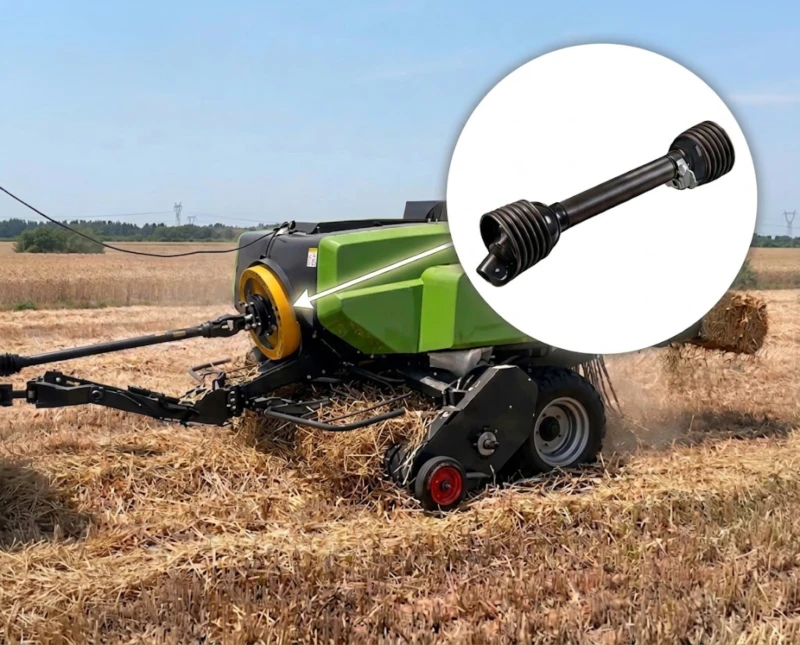
The power transmission system begins at the tractor’s rear splined output shaft. It is imperative that this connection is flawless. The energy is transferred through a specialized, telescoping driveline. Because the baler creates heavy, pulsating loads (as the plunger compresses the hay with every stroke), the driveline is equipped with a heavy-duty flywheel and an overriding shear-bolt clutch. The flywheel stores kinetic energy, smoothing out the power demand on the tractor’s engine and preventing stalling. The shear bolt acts as a mechanical fuse; if a massive blockage occurs in the baling chamber, the bolt cleanly shears, instantly disconnecting power and protecting the baler’s internal gearbox from catastrophic damage.
Maintaining the integrity of this connection is vital for operator safety and machine longevity. Utilizing premium driveline components cannot be overstated. For operations looking to maximize uptime and safety, upgrading or maintaining your connection with a premium pto shaft ensures seamless torque delivery, minimizes vibration, and dramatically reduces the risk of joint failure during intense harvest windows. Proper lubrication of the universal joints and ensuring the PTO shielding is intact are mandatory daily procedures.
5. Precision Tying: The D-Type Automatic Knotters
Perhaps the most intricate and critical component of any square baler is the knotter mechanism. A baler can perfectly pick and compress forage, but if the knot fails, the bale disintegrates upon leaving the chute, resulting in wasted time and material. The 9YF-2200 is equipped with two heavy-duty D-Type automatic knotters.
The D-Type knotter is globally renowned for its reliability and precision. As the bale reaches the pre-set length (triggered by a toothed metering wheel), the tying cycle initiates in a fraction of a second. The baling needles surge upward through slots in the plunger face, delivering the heavy sisal or synthetic twine directly to the knotter assembly. The billhook rotates, capturing the twine, while the twine holder maintains perfect tension. The knife arm cleanly severs the twine while the wiper slides the newly formed knot off the billhook.
This entire ballet of mechanical precision happens while the bale is under extreme compression. The 9YF-2200 uses an Automatic Rope Baling method, ensuring that every knot is tight, secure, and capable of withstanding the rigors of mechanical bale wagons, rough transport, and long-term barn storage. The twin-tie system provides the ideal balance of tensile strength, keeping the 460x360mm bales perfectly squared and tightly bound.
6. Versatile Field Application Scenarios
The true value of the 9YF-2200 lies in its incredible versatility. Agriculture is not a monolithic industry; different regions harvest different crops under vastly varying climates. This baler was engineered to be a multi-crop champion, providing an all-in-one solution for diverse farming operations.
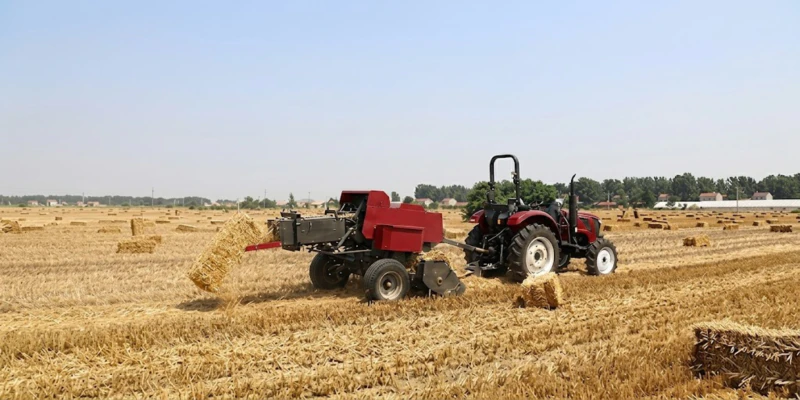
Wheat and Rice Straw Harvesting
After the grain harvest, fields are often left choked with tough, fibrous straw. The 9YF-2200 excels in these conditions. Its 2200mm wide pickup easily gathers the broad windrows left by massive combine harvesters. Baled wheat and rice straw are essential for livestock bedding, mushroom cultivation substrate, and increasingly, as a feedstock for biomass power plants. By rapidly clearing the field, the baler allows farmers to prepare the soil for the next planting season without resorting to illegal and environmentally damaging field burning.
Premium Alfalfa and Haylage
For dairy and livestock farmers, alfalfa is green gold. However, baling alfalfa requires a delicate touch. If handled too aggressively, the nutrient-rich leaves will shatter and fall to the ground, severely reducing the feed value of the bale. The spring tooth picker and synchronized fork feeder of the 9YF-2200 are designed to handle delicate crops gently, preserving leaf retention while achieving maximum bale density. The reliable D-type knotters ensure that high-value hay is securely packaged to prevent spoilage and moisture intrusion during storage.
Corn Stover and Heavy Biomass
Corn stalks and stover represent a significant challenge due to their thick, woody nature. Lesser balers easily jam when faced with this heavy biomass. The sheer kinetic energy generated by the 9YF-2200’s massive flywheel, combined with the heavy-duty shear-bolt protection, allows it to aggressively pack corn stover into dense, combustible bales perfect for industrial bio-energy applications and winter cattle forage.
7. Manufacturing Excellence: Inside the Factory
To build a machine capable of withstanding the brutal conditions of agricultural field work, one must employ world-class manufacturing techniques. The 9YF-2200 is not merely assembled; it is precision-engineered in state-of-the-art facilities dedicated to heavy machinery excellence.
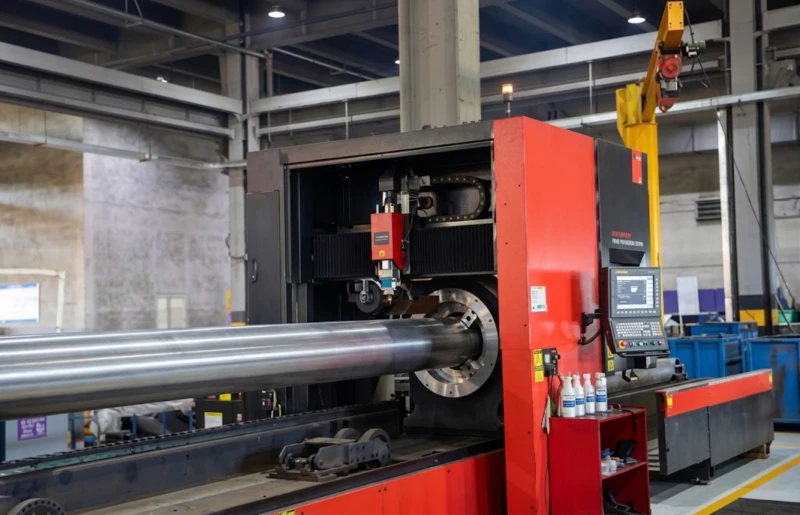
The chassis and compression chamber are constructed from high-tensile, heavy-gauge steel. The manufacturing process utilizes advanced CNC laser cutting and robotic welding to ensure absolute precision in every joint. This is critical because the internal tolerances—especially between the plunger and the chamber walls, and the precise timing of the knotter needles—must remain exact despite years of heavy vibration and stress.
Every 9YF-2200 undergoes rigorous quality assurance testing before leaving the factory. Gearboxes are run-in to ensure perfectly meshed gears; knotters are bench-tested for hundreds of cycles to guarantee 100% tying accuracy; and hydraulic tensioners are pressure tested. We believe that downtime during harvest is unacceptable, and our factory real-scene standards reflect an uncompromising commitment to agricultural durability.
8. Comprehensive Maintenance and Longevity Guide
The longevity and consistent performance of the 9YF-2200 Square Straw Baler depend heavily on adherence to a strict maintenance protocol. A baler operates in the harshest environments imaginable: enveloped in choking dust, handling abrasive crops, and subjected to continuous heavy mechanical shock. Proactive maintenance is the key to preventing costly mid-harvest breakdowns.
9. Troubleshooting: Optimizing Bale Quality
Even with perfect maintenance, field conditions fluctuate. Moisture levels rise as evening approaches, crop densities change across a field, and terrain shifts. An experienced operator must know how to read the bales coming out of the chute and adjust the 9YF-2200 accordingly.
Issue: Banana-Shaped Bales (Uneven Density)
If bales are emerging curved or with one side significantly heavier than the other, the crop is not feeding evenly into the chamber. This usually occurs when the windrow is too small or the tractor is not centered over the windrow. Adjust your driving line to feed the crop evenly across the entire 2200mm picking width, or merge smaller windrows prior to baling. Ensure the fork feeding mechanism is operating smoothly and not obstructed on one side.
Issue: Missed Knots
If the baler is missing knots, immediately stop and inspect the knotter assembly.
First, check the twine routing—ensure it is properly threaded through all ceramic guides and tensioners.
Second, check twine tension; if the twine is pulling too freely from the box, the billhook may not catch it properly.
Third, inspect the billhook itself for rust, burrs, or accumulated debris. A dirty billhook will fail to release the knot, causing the twine to break. Finally, ensure you are using high-quality twine rated for the D-type knotter system.
Issue: Bales Too Loose or Too Tight
Adjust the tension doors at the rear of the compression chamber. If baling extremely dry, slick straw, you may need to increase the tension significantly to create a solid bale. Conversely, if baling slightly damp hay (which generates more friction in the chamber), release some tension to prevent the sheer pin from constantly breaking due to over-compression.
10. The Economic and Environmental Imperative
Investing in the 9YF-2200 is not merely a purchase of farm equipment; it is an upgrade to the economic viability and environmental stewardship of your operation.
Economically, baled biomass is a highly tradable commodity. Straw that was once an obstacle is now an additional revenue stream. By utilizing a high-efficiency baler like the 9YF-2200, the cost per bale (in terms of fuel, labor, and time) is drastically reduced compared to older, narrower models. The uniform 460x360mm bale size maximizes trailer payload capacity, reducing transport logistics costs when shipping hay or straw to distant markets, dairies, or biomass energy plants.
Environmentally, mechanized baling is at the forefront of sustainable agriculture. By eliminating the need for crop residue burning, we collectively reduce greenhouse gas emissions, prevent the release of harmful particulate matter into the air, and protect the topsoil ecosystem from fire-induced sterilization. Baled straw can be repurposed for soil mulching, composting, or green energy generation, contributing heavily to a circular agricultural economy.
Ready to Transform Your Harvest Season?
The 9YF-2200 Square Straw Baler is the ultimate solution for high-density, reliable, and multi-crop baling. Don’t let your valuable forage and biomass go to waste. Equip your farm with machinery designed for commercial excellence.