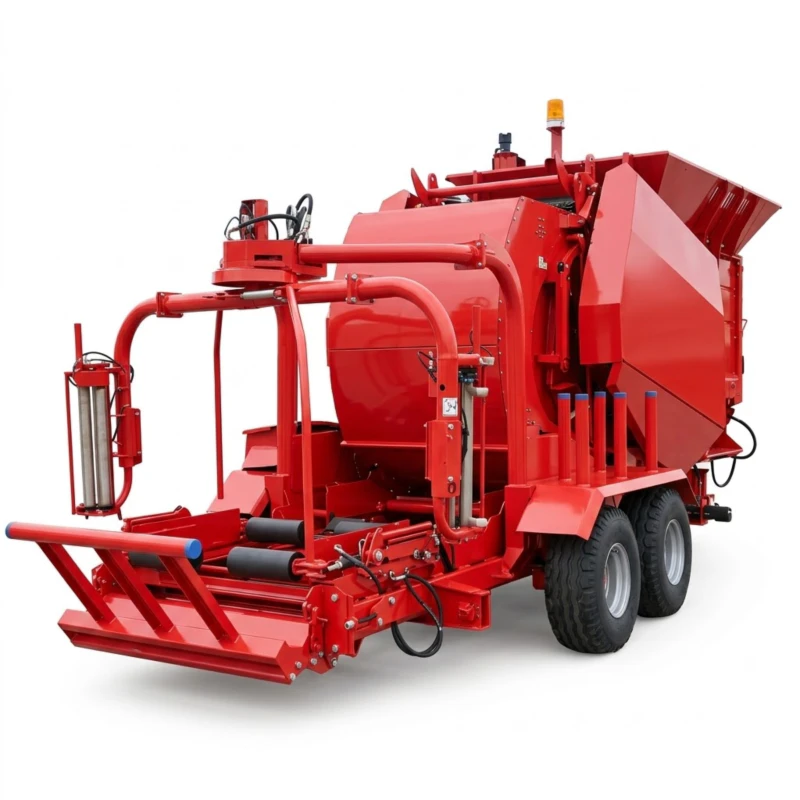
9YCM-850 Combined Baler and Wrapper
Discover the 9YCM-850 Combined Baler and Wrapper. Features a 2.5 m³ intake hopper, 18-roller compression chamber, and automated satellite film wrapping.
The Definitive Technical Guide to the 9YCM-850 Combined Baler and Wrapper: The Apex of Integrated Forage Preservation
Revolutionize your silage processing with an all-in-one 2.5 m³ high-capacity hopper system, commercial-grade fixed chamber compaction, and high-speed automated stretch-film wrapping technology.
1. Introduction to the Combined Baling & Wrapping Paradigm
In the modern agricultural economy, the difference between a highly profitable livestock operation and one struggling with overhead lies entirely in feed preservation efficiency. Forage crops, fresh alfalfa, corn silage, and wet brewer’s grains represent highly valuable nutritional resources. However, their high moisture content makes them incredibly volatile. Exposure to atmospheric oxygen initiates immediate aerobic spoilage, causing nutrient degradation, dry matter loss, and the growth of toxic molds. Traditional silage methods—such as horizontal concrete bunkers or drive-over pits—frequently suffer from spoilage losses exceeding 15 to 20 percent along the margins due to poor compaction and air leakage. The structural answer to this global agricultural challenge is the complete elimination of delayed processing through integrated automation. The Model 9YCM-850 Combined Baler and Wrapper represents the absolute zenith of this engineering philosophy, providing an all-in-one industrial platform that compresses and seals forage within seconds.
Unlike split operations where chopped forage must be transported to a stationary wrapper or packed down manually by heavy tractors in a concrete bunker, the 9YYCM-850 creates an unbroken continuous loop. Raw, chopped biomass is directly deposited into a high-capacity receiving bunker, immediately compressed into tightly bound cylinders, and automatically transferred onto a dual-arm satellite wrapping table. By sealing the high-density bale in multiple layers of oxygen-barrier stretch film instantly after compression, the machine locks out air before aerobic respiration can deplete sugar reserves. The resulting finalized product undergoes an optimal anaerobic fermentation curve, preserving maximum total digestible nutrients (TDN) and retaining moisture flavor that dairy cattle and beef herds find highly palatable.
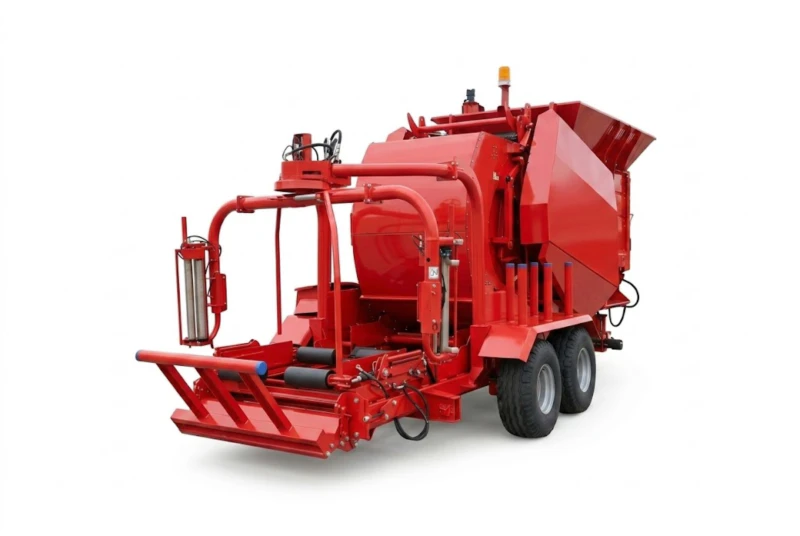
The physical architecture of the 9YCM-850 is a testament to rugged heavy-machinery engineering. Spanning an overall length of 7.00 meters and built upon a massive high-tensile steel chassis, this machine is designed to absorb the immense forces associated with high-throughput compression and rotational wrapping. Equipped with ultra-wide high-flotation tires and a responsive Electronic Control System, it transitions smoothly between static stationary farm processing stations and active trailing configurations out in the field. For commercial agricultural contractors, large-scale dairy enterprises, and industrial silage exporters, the 9YCM-850 does not simply pack forage—it establishes a standardized, high-speed production line that protects your liquid gold from the elements.
2. Innovative Dual-Function Architecture & Intake Dynamics
The operational capability of the 9YCM-850 Combined Baler and Wrapper is defined by its ability to accept vast wads of raw, loose material and output a completely wrapped commodity without any manual intervention. This is achieved through a multi-stage mechanical design that handles feeding, compression, transfer, and film wrapping within a single continuous framework.
The 2.5 m³ High-Capacity Intake Hopper
The process initiates at the massive primary receiving bunker, which features a spacious Hopper Volume of 2.5 m³. This heavy-duty hopper acts as a buffer zone, capable of accepting large dumps directly from field silage trucks, forage wagons, or stationary front-end loaders. The base of the hopper is equipped with a high-torque, variable-speed steel slat conveyor chain. This conveyor moves the loose chopped forage evenly forward, ensuring a regulated, continuous mass stream into the compression chamber inlet. By dampening the shock loads associated with bulk tipping, the 2.5 m³ hopper eliminates intake clogging and ensures that the internal compression rollers run at peak structural efficiency without experiencing dry runs or destructive over-feeding events.
Synchronized High-Speed Satellite Wrapping
The moment the internal compression rollers complete a round bale, the chamber doors split open hydraulically, and a high-precision lift cradle transfers the bale onto the wrapping table. The 9YCM-850 features a high-speed satellite wrapping table equipped with dual rotating dispenser arms. As the table rollers spin the bale vertically, the satellite arms orbit horizontally, enveloping the cylinder in high-performance stretch film with a precise 50% overlap. The film dispensers are engineered with specialized tensioning pre-stretch rollers, stretching the film by 50 to 70 percent to activate its elastic memory and create an airtight, hermetic seal around the cylinder. Once the target layer count is achieved, mechanical cut-and-hold units slice the film, and the table tilts to drop a finished, commercial-grade silage package onto the ground.
3. The Science of Silage Fermentation & Volume Optimization
Silage preservation is a biochemical race against time. High-quality fermentation relies on lactobacillus bacteria converting water-soluble carbohydrates into lactic acid, which rapidly drops the pH value below 4.5 to stabilize the organic mass. This process can only succeed in a completely anaerobic environment. The engineering configuration of the 9YCM-850 is explicitly designed to optimize these biochemical parameters by producing a standardized Bale Size of φ85-90 × 85 cm.
This specific size yields a tight, high-density Bale Volume of 0.48 – 0.54 m³. In silage production, the volumetric density is a critical metric; compressing more dry matter into every cubic meter forces out oxygen pockets that harbor destructive clostridia bacteria and yeasts. The 0.48 – 0.54 m³ volume represents the ultimate sweet spot for mid-scale handling. These bales pack enough mass to remain thermally stable during fermentation, yet their physical size and weight are easily manageable for common utility loaders, preventing wrap puncturing during moving and stacking operations. By locking the dense biomass inside an immediate airtight wrap, the 9YCM-850 blocks the heating phase of silage, preserving precious proteins and energy that would otherwise be lost to atmospheric heat.
4. Comprehensive Technical Parameters & Structural Metrics
The structural capability of the Model 9YCM-850 Combined Baler and Wrapper is defined by its strict physical and mechanical metrics. The table below represents the complete, verified technical profile of this high-capacity integrated machine:
| No. | Item / Parameter | Unit | Specifications / Value |
|---|---|---|---|
| 1 | Product Name | — | Model 9YCM-850 Combined Baler and Wrapper |
| 2 | Bale Size (Diameter × Length) | cm | φ85-90 × 85 |
| 3 | Bale Volume | m³ | 0.48–0.54 |
| 4 | Hopper Volume | m³ | 2.5 |
| 5 | Matching Power | — | ≥120 HP |
| 6 | Overall Dimensions (L × W × H) | m | 7.00 × 2.19 × 3.03 |
| 7 | Tire Specification | — | 295/60-15 |
| 8 | PTO Output Speed | rpm | 540 |
| 9 | Hydraulic Requirements | — | 1 × 1/2 in, 1 × 3/4 in |
| 10 | Electrical Requirements | — | 12V DC |
| 11 | Control System | — | Electronic Control System |
| 12 | Productivity | bales/hour | 30–40 |
5. Power Transmission Mastery & PTO Driveline Architecture
Driving an integrated machine that combines a 2.5 m³ slat-conveyor hopper, multiple high-pressure compression rollers, a hydraulic bale transfer cradle, and a high-inertia dual-arm wrapping ring simultaneously demands an advanced, efficient power distribution matrix. The Model 9YCM-850 requires a minimum Matching Power profile of ≥120 HP. This substantial mechanical energy is pulled from the tractor’s engine and transferred straight to the implement through a specialized mechanical link.
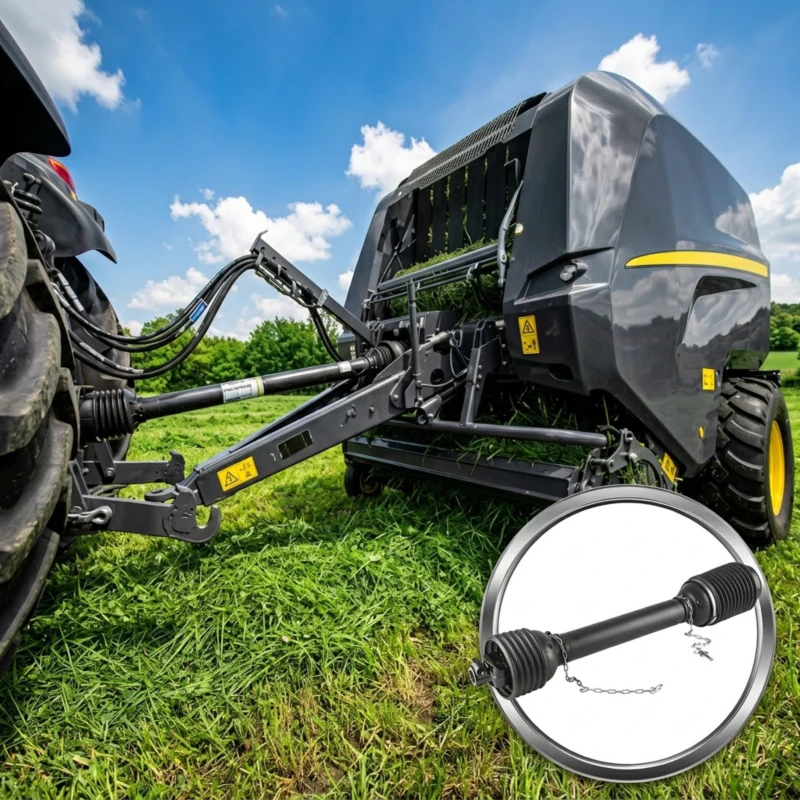
The driveline operates at a standardized PTO Output Speed of 540 rpm. Because the machine transitions between bulk feeding, heavy plunger compression, and horizontal satellite rotations, the driveline experiences severe mechanical load fluctuations. To smooth out these power peaks and safeguard the tractor’s rear transmission, using an elite, heavy-duty pto shaft is essential. This premium driveline delivers steady torque distribution, features an overrunning clutch to handle high rotational momentum safely, and integrates friction clutches that instantly disengage power if a foreign object wedges inside the feed channel.
6. Hydraulic and Electrical Interface Integration
The automation of the 9YCM-850 Combined Baler and Wrapper relies on a dual hydraulic and electrical control loop. The machine operates as an automated robot, where hydraulic actuators execute muscle movements under the command of electronic sensors.
The machine dictates specific Hydraulic Requirements consisting of a 1 × 1/2 inch line and a 1 × 3/4 inch line connected straight to the tractor’s auxiliary remote valves. The 3/4-inch high-flow line supplies the continuous fluid velocity needed to run the high-speed hydraulic motors that spin the satellite wrapping arms and the hopper floor conveyor. The 1/2-inch line maintains pressure to run the heavy-duty cylinders that split open the baling chamber doors and tilt the unloading cradle. This split-circuit design prevents pressure drops, ensuring that the wrapping process continues smoothly without interruption while the baling chamber compresses the next bale.
Coordinating this fluid system is a low-draw 12V DC Electrical Requirement, drawing power directly from the tractor’s battery connection. This electrical line powers the electronic solenoid blocks, sensor arrays, and computerized control node. By running a low-voltage control loop, the machine ensures absolute operator safety, shields sensitive electronics from thermal spikes, and maintains total operational compatibility with standard utility tractors globally without requiring auxiliary onboard alternators.
7. Manufacturing Excellence: Precision Engineering Inside the Factory
Operating continuously under intense physical loads—handling wet, heavy silage and rotating multiple massive structures concurrently—demands robust construction. The 9YCM-850 Combined Baler and Wrapper is manufactured within premier, modern facilities where durability is engineered into every component.
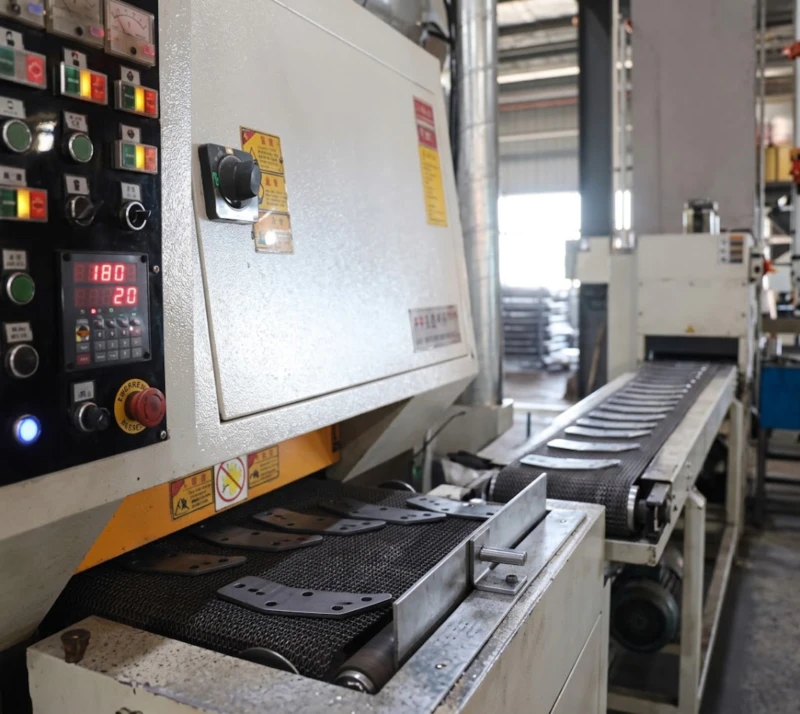
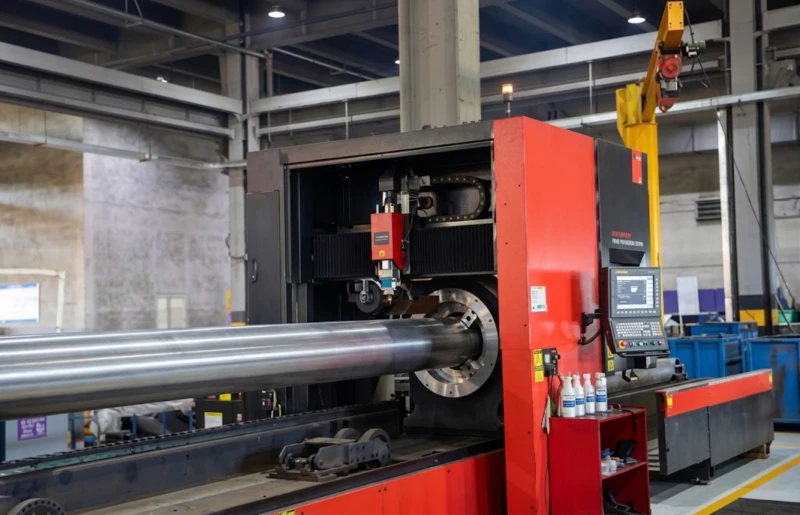
The structural foundation of the machine begins with its heavy carbon-steel frame, cut using automated CNC lasers and welded on computerized jigs. This precise process ensures absolute axial symmetry, keeping the 1:1 mechanical alignment straight to prevent tracking deviations or localized bearing fatigue over time. The 2.5 m³ hopper walls and the compression room are lined with high-strength, abrasion-resistant wear plates that can withstand millions of cycles of raw biomass friction.
Every assembly undergoes extensive quality testing. Gearboxes are run-in to ensure perfectly quiet gear meshing, hydraulic blocks are pressure-tested to prevent fluid bypass leaks, and the electronic control loop is calibrated through hundreds of simulated cycles. To maintain an uncompromising build standard, high-load drive chains, multi-stage pumps, and electronic control switches are sourced exclusively from top international component brands, ensuring exceptional reliability and build quality.
8. Field Productivity & Operational Logistics
The ultimate metric of success for any harvest operation is daily tonnage output. The 9YCM-850 delivers an impressive Productivity rate of 30 – 40 bales per hour under continuous operation. This high throughput is made possible by the seamless intersection of the baling and wrapping cycles. Because the automated transfer cradle moves the finished cylinder onto the satellite table instantly, the compression chamber can immediately close and start processing the next bale while wrapping continues concurrently.
To support this high-volume field throughput without causing deep soil ruts or damage to fields, the machine is equipped with heavy-duty 295/60-15 high-flotation tires. These wide-profile, low-pressure tires distribute the machine’s mass evenly across the terrain, allowing the baler to operate safely over wet peat soils, fragile grass turf, or muddy post-harvest paddy fields. This optimized footprint ensures smooth transport and excellent field flotation, helping custom harvesting contractors and large dairy operators maximize daily field tonnage with minimal logistical overhead.
9. Preventative Maintenance Protocol for Extended Operational Lifespan
Adhering to a strict, proactive maintenance program is essential to protect your investment and ensure maximum daily uptime during intense harvest seasons. Working with high-moisture silage crops introduces severe organic acid corrosion and high-chaff dust accumulation that must be managed daily.
10. In-Field Troubleshooting & Quality Optimization
Varying windrow densities, changing moisture levels, and unexpected field anomalies require real-time operator adjustments to maintain perfect bale quality and protect the machinery drivetrain.
Issue 1: Film Tearing During Satellite Rotation
If the stretch film snaps frequently during the wrapping cycle, check the pre-stretch rollers for accumulated tackifier resin or plant waxes. Clean the rollers using a mild solvent to prevent film slippage. Ensure that the plastic roll is centered and that the core tensioners are not tightened too far, which can cause excessive drag and snap the film.
Issue 2: Cradle Transfer Failures
If the lift cradle fails to transfer the bale onto the wrapping table, check the 1/2-inch hydraulic line circuit pressure. This issue can also be caused by crop debris blocking the physical proximity sensors at the chamber exit. Clean out packed chaff from the cradle guide tracks and verify that the electronic control valves receive a steady 12V DC signal.
Issue 3: Soft Bales or Volumetric Inconsistency
If finished bales emerge under-weight or with poor shape, check the conveyor feed rate inside the 2.5 m³ hopper. If the conveyor feeds loose material too slowly, the chamber rollers cannot compress the core properly. Increase the hopper conveyor speed using the control interface to ensure a steady, high-volume crop stream flows into the compression chamber from the start.
11. Frequently Asked Questions (FAQ)
A: The machine produces high-density round bales featuring a set length of 85 cm and an adjustable diameter range of 85 to 90 cm. This specific geometry establishes a tight volumetric density profile of 0.48 to 0.54 m³ per finished bale.
A: To run both the baling rollers and the high-speed satellite wrapping arms simultaneously, the machine requires a tractor power rating of ≥120 HP delivered through a 540 rpm rear PTO connection.
A: The primary receiving hopper features a high capacity of 2.5 m³, acting as an ideal buffer zone to accept bulk dumps directly from large field silage wagons or frontend loaders.
A: The 9YCM-850 requires a dual-circuit remote coupler setup consisting of one 1 × 1/2 inch line for cylinder actuation and one 1 × 3/4 inch high-flow line to power the hydraulic rotation motors.
A: The automated electronic sensors and control solenoids run on a low-draw 12V DC electrical circuit supplied straight from the tractor’s standard battery connection.
A: Under continuous field operation, the machine delivers a total productivity rate of 30 to 40 completely baled and wrapped silage packages per hour.
A: The structural metrics of the 9YCM-850 span 7.00 meters in total length, 2.19 meters in width, and 3.03 meters in height, providing an exceptionally stable trailing profile.
A: The machine is fitted with wide 295/60-15 high-flotation tires that distribute weight evenly, allowing for safe travel over muddy post-harvest paddies without creating deep soil ruts.
A: Sealing the bale in air-tight stretch film immediately after compression prevents oxygen exposure. This eliminates aerobic respiration, locks in digestible nutrients, and prevents silage mold growth.
A: Yes. The dual rotating satellite arms are designed to mount standard commercial 500mm or 750mm agricultural stretch film rolls, featuring precision tension adjusters for perfect pre-stretching.
Command Your Silage Quality with the 9YCM-850
Stop settling for feed losses in inefficient bunkers. Upgrade to automated, high-density baling and wrapping technology. Secure your total digestible nutrients and maximize daily profits.